Learning Outside the Classroom
An Education in the Wider World
At the Ethical Culture Fieldston School, students have many opportunities to extend their learning beyond the classroom. Through outdoor learning, field trips, experiential projects, and hands-on exploration, ECFS students are encouraged to connect their academic studies to the world around them.
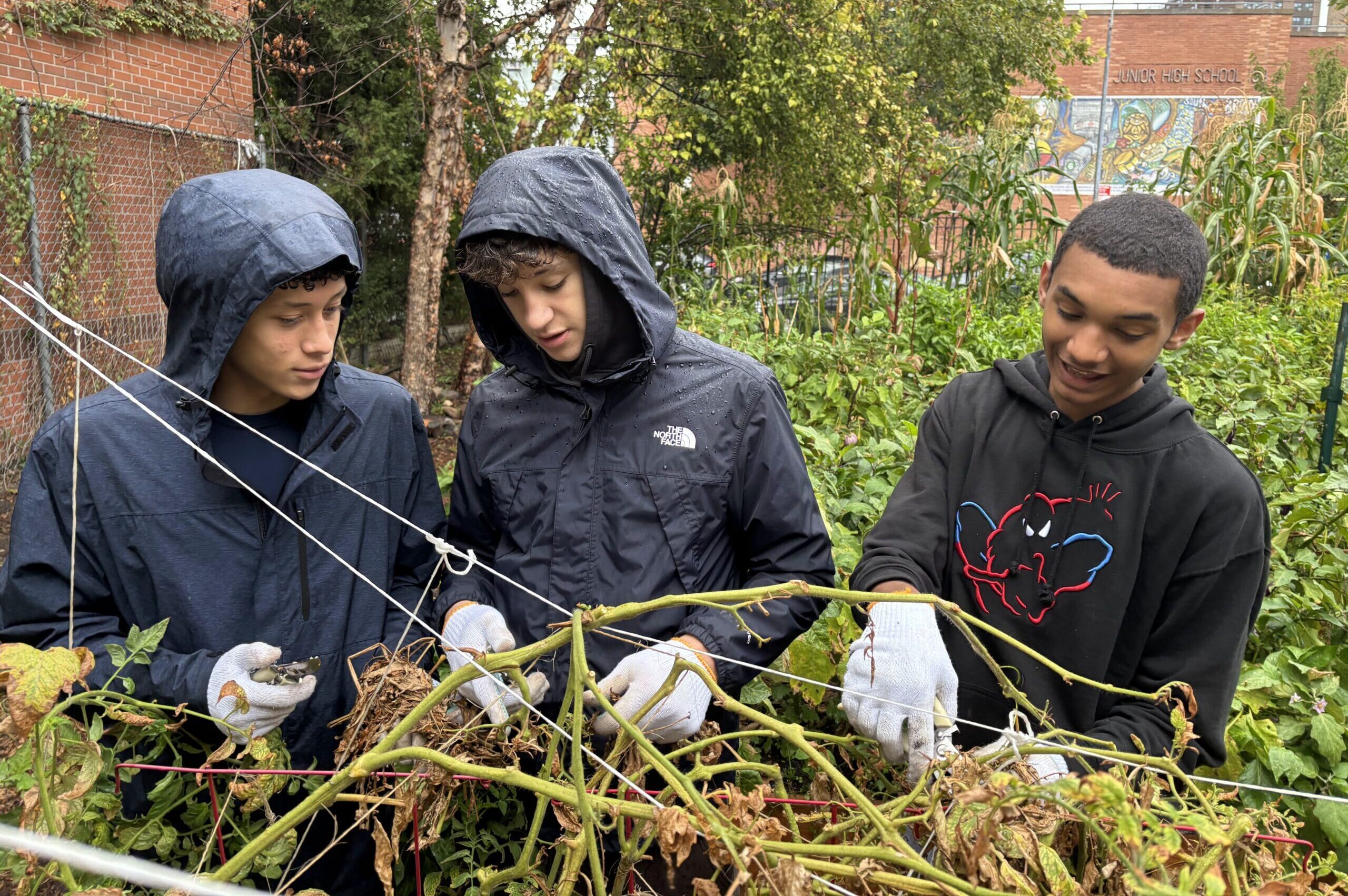
From exploring New York City neighborhoods and parks to conducting research and participating in semester-long programs, students put their learning into practice in real-world settings. On the Fieldston campus, expansive green spaces, gardens, and outdoor learning environments extend the classroom across the 18-acre campus, while at Ethical Culture, the School’s proximity to Central Park provides students with an abundance of opportunities to observe, learn, and explore.
From exploring New York City neighborhoods and parks to conducting research and participating in semester-long programs, students put their learning into practice in real-world settings. On the Fieldston campus, expansive green spaces, gardens, and outdoor learning environments extend the classroom across the 18-acre campus, while at Ethical Culture, the School’s proximity to Central Park provides students with an abundance of opportunities to observe, learn, and explore.
The Lower Divisions
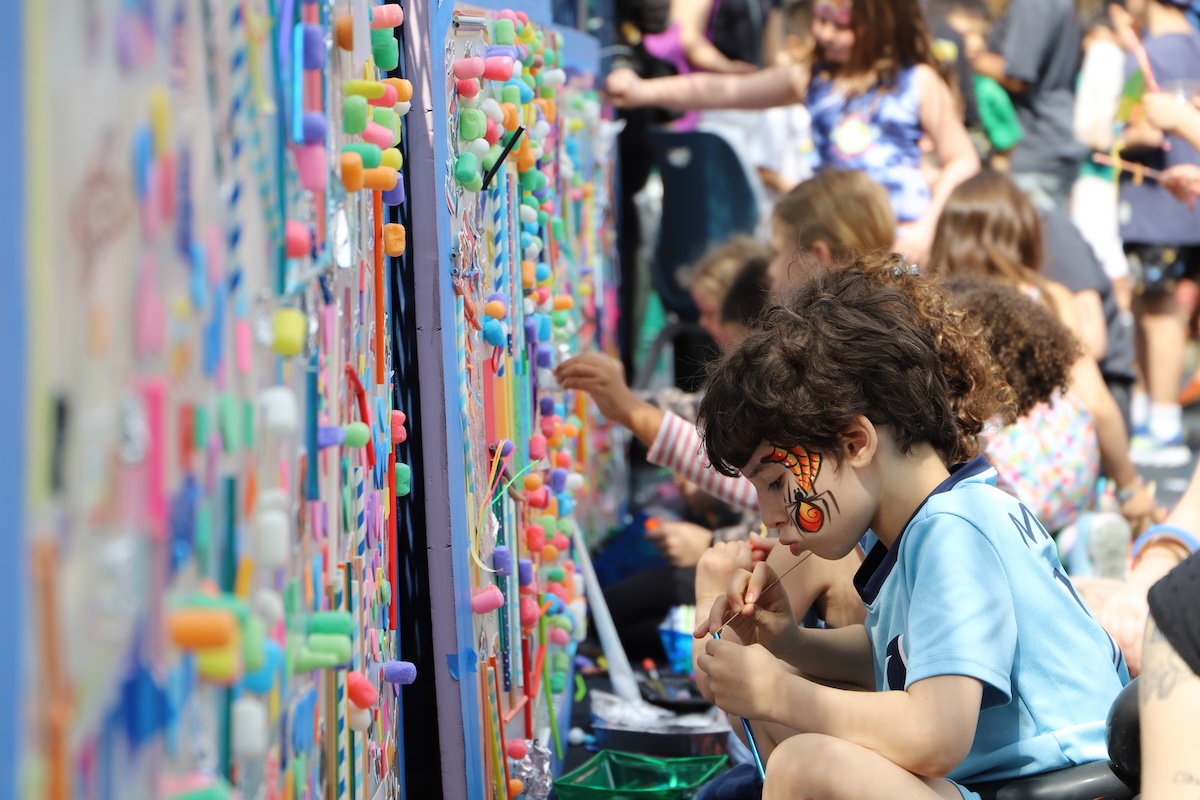
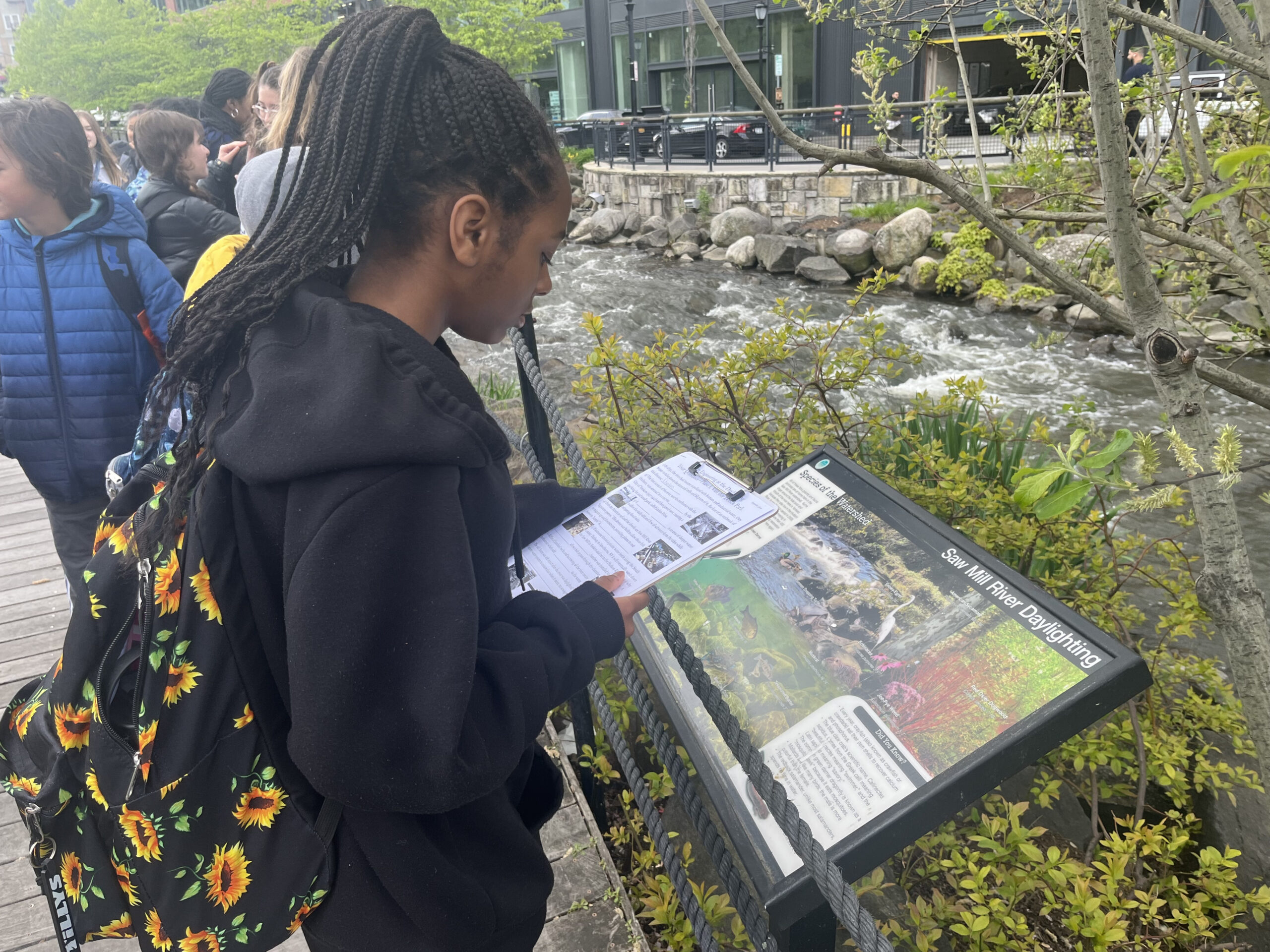
Beyond the classroom, students at our Lower DIvisions use hands-on learning to explore the natural world. At Ethical Culture, 1st Graders students explore Central Park through walking trips and research. They study the park’s history, including the displacement of Seneca Village, while science classes focus on wildlife, ecosystems, and the environment. At Fieldston Lower, 5th Grade students develop ideas to address challenges facing our planet in the wake of the climate crisis. As part of their work, students design an outdoor learning space in the school garden and determine the most appropriate use for its plantings. Throughout the year, they also visit the Hudson River, where they paint, write poetry, examine marine life, and engage directly with the river through sailing, seining, and fishing.
Fieldston Middle
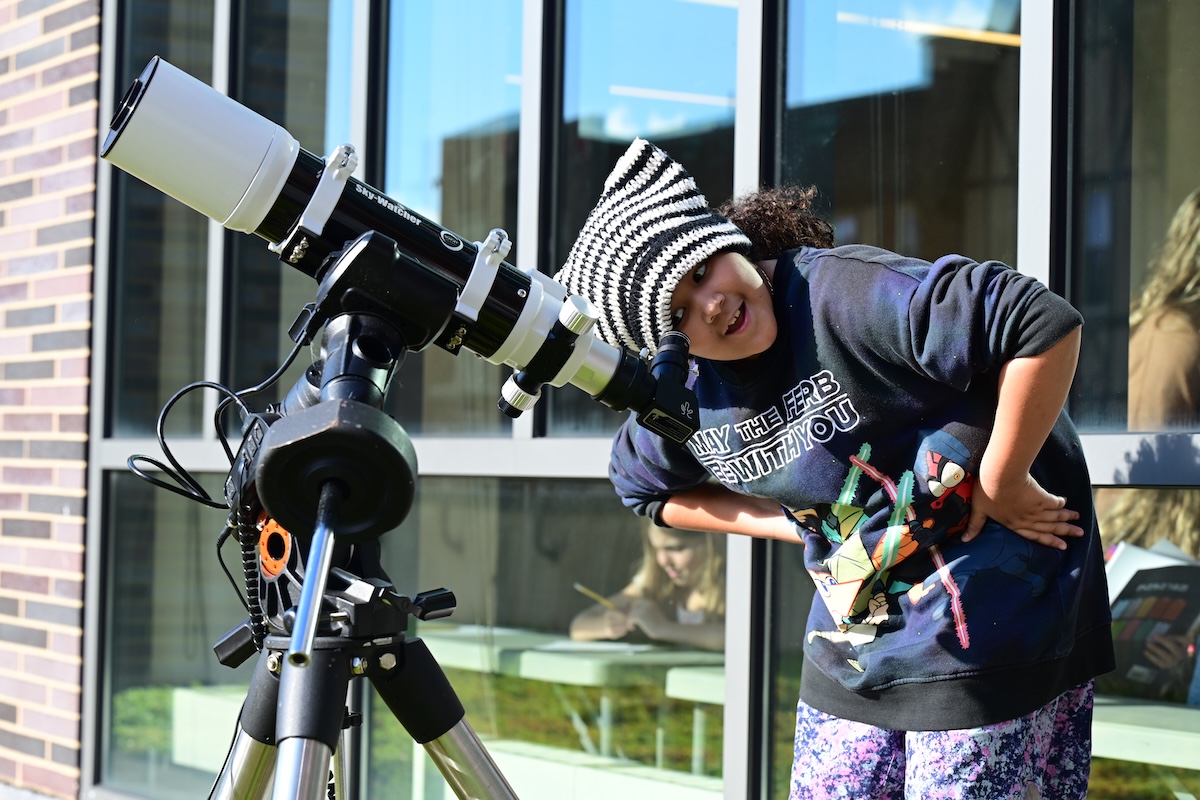
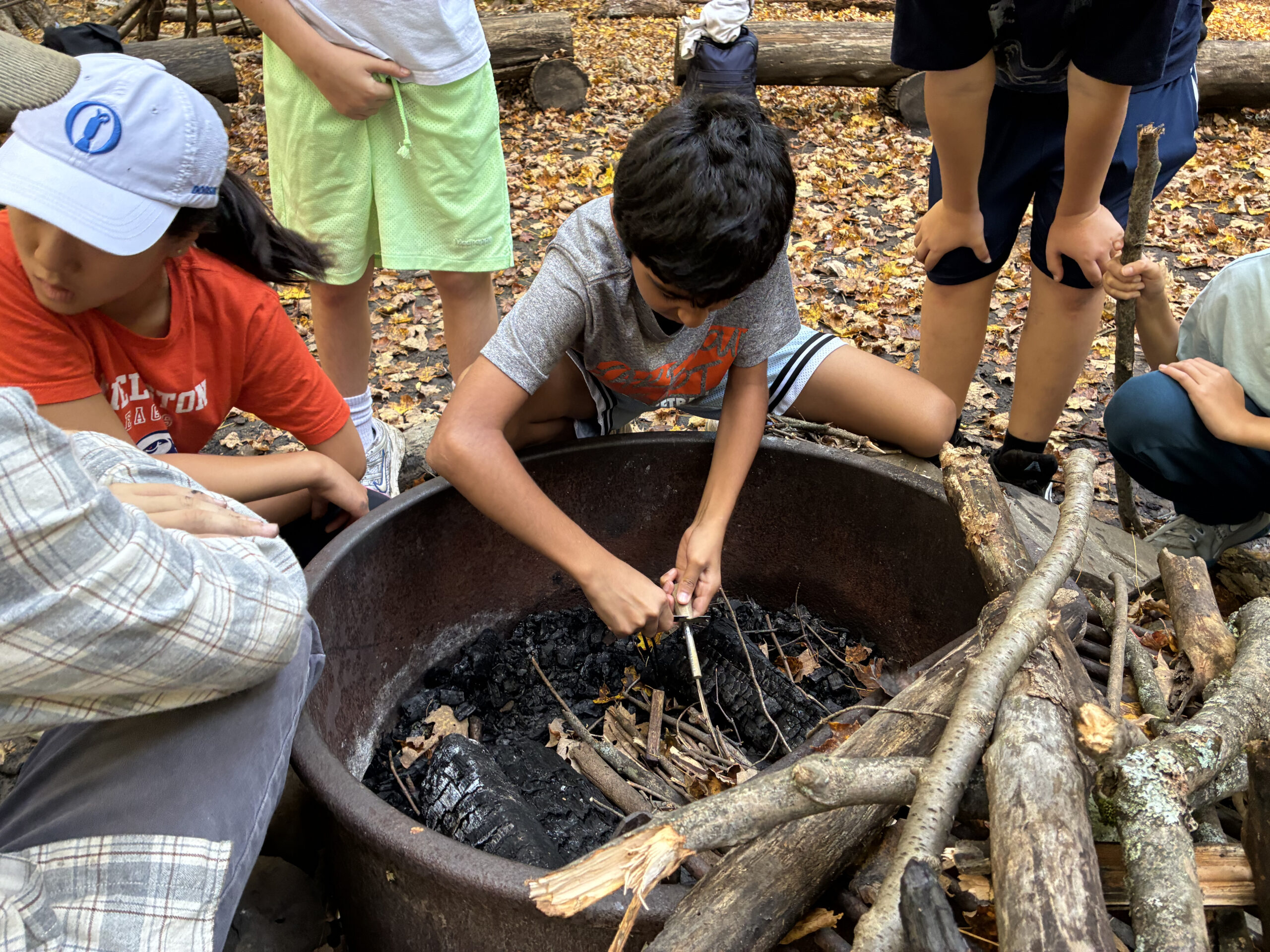
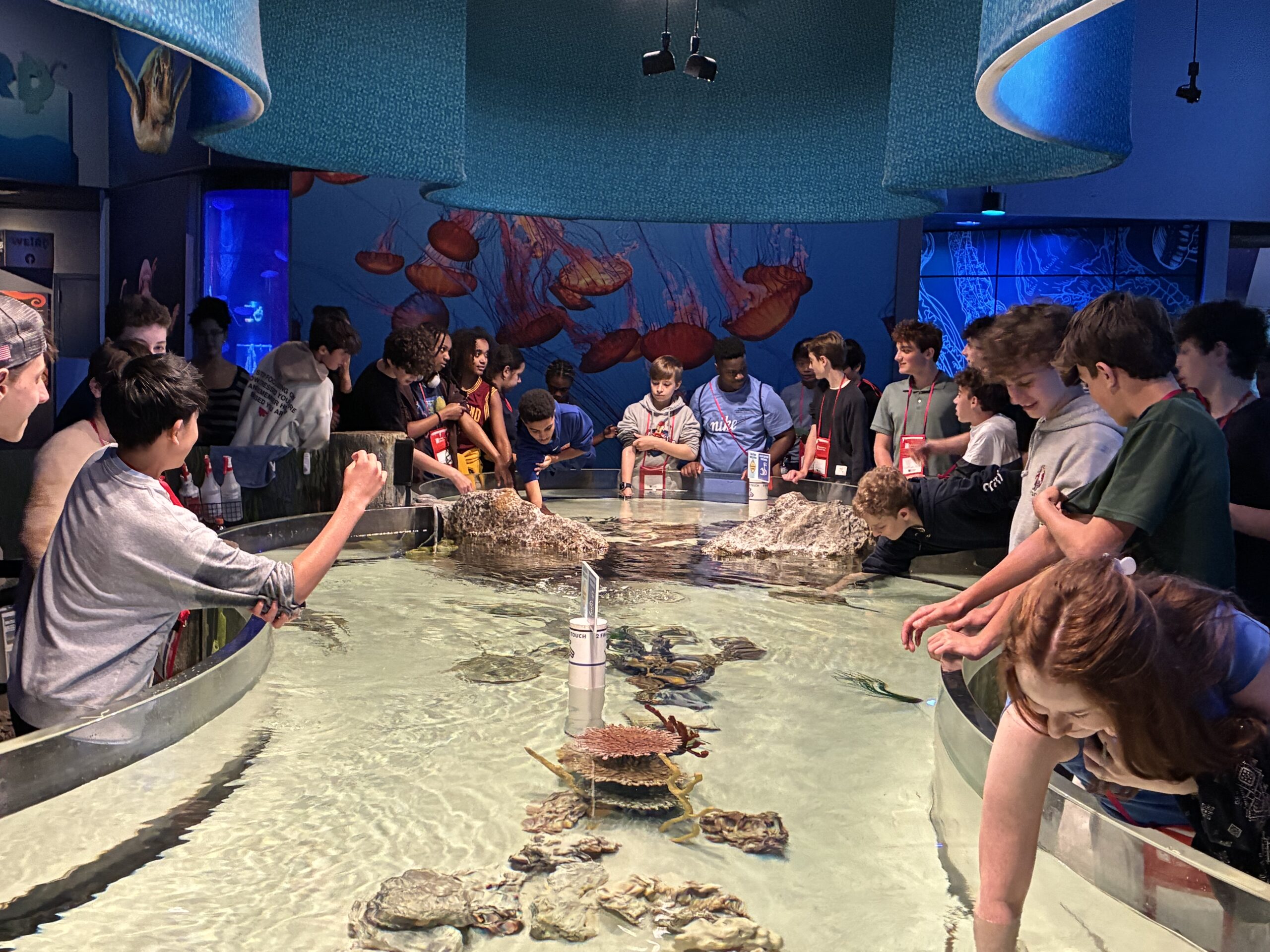
At Fieldston Middle, students regularly use the outdoors as a setting for scientific research and inquiry. Science classes visit nearby Van Cortlandt Park to conduct fieldwork and engage in exploratory learning. Science classes also take place throughout the Fieldston campus, including on the School’s green roof. These varied learning environments give students unique educational opportunities to observe the natural world, gather and analyze information, and apply scientific concepts in authentic settings.
Fieldston Upper
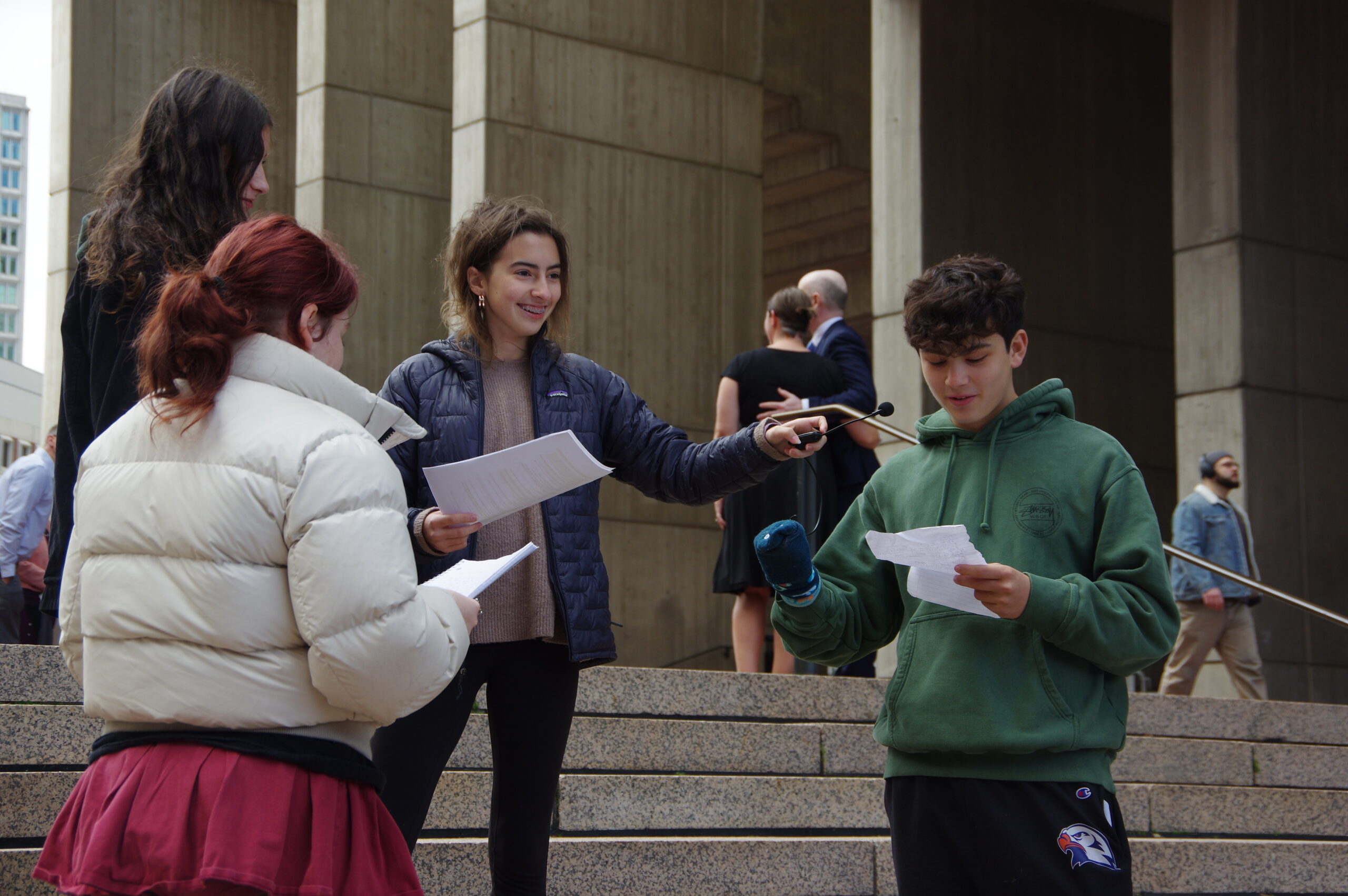
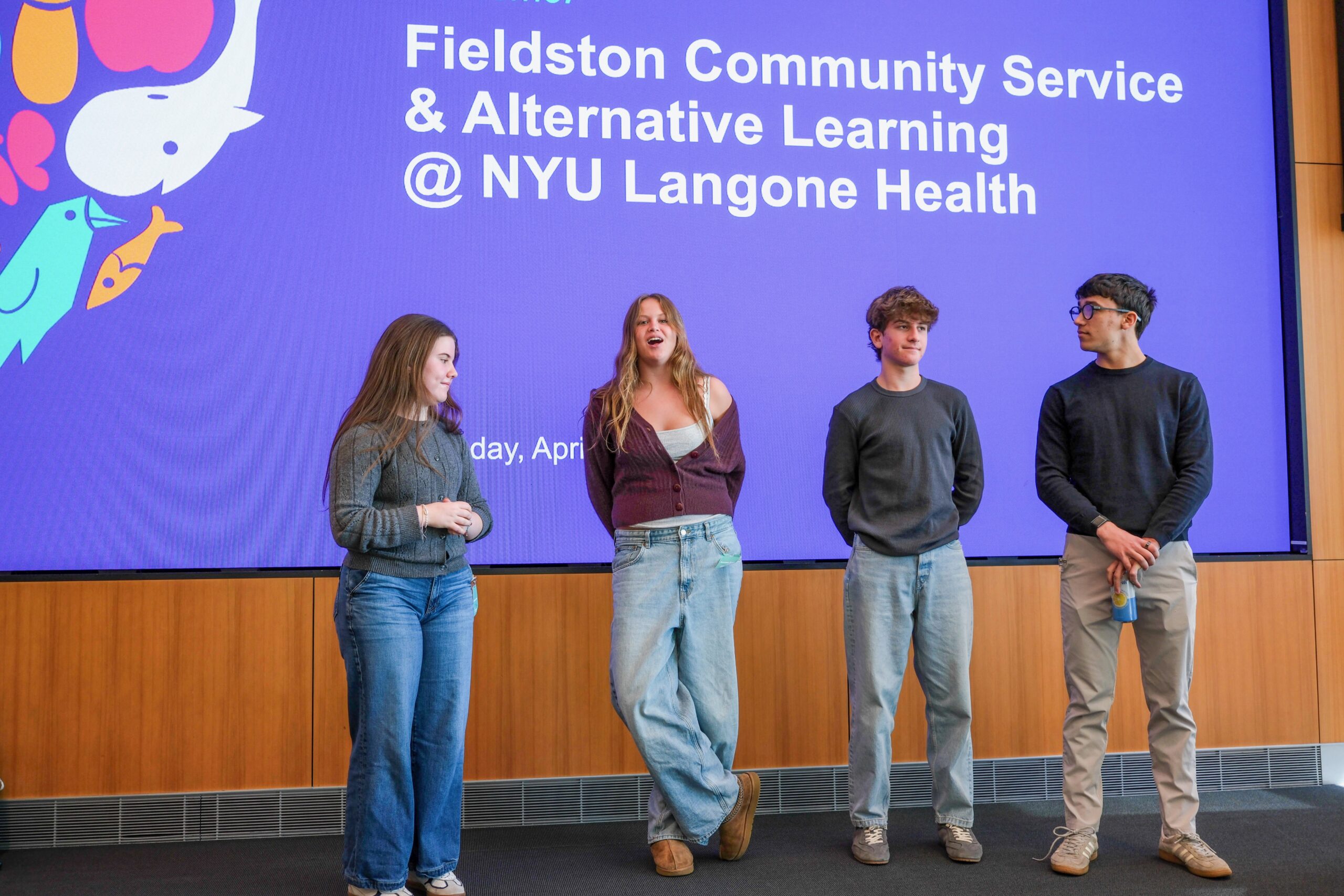
At Fieldston Upper, 11th Grade students have a unique opportunity to learn outside the classroom through the City Semester program. City Semester is a selective, interdisciplinary, experiential program offered each semester. Students spend at least two days a week outside of school, doing research, exploring neighborhoods, interviewing residents, working with community organizations, and speaking to policymakers. The academic work is rigorous and challenging, and students make lifelong memories while expanding their academic horizons.
At Fieldston Upper, 11th Grade students have a unique opportunity to learn outside the classroom through the City Semester program. Offered each semester, City Semester is a selective, interdisciplinary, experiential program that challenges students to explore the city as a classroom.
Students spend at least two days a week outside of school, conducting research, exploring neighborhoods, interviewing residents, working with community organizations, and speaking to policymakers. City semester combines rigorous academic work with firsthand experience, giving students the opportunity to expand their academic horizons while developing their research and communication skills while honing a deeper understanding of New York City and the communities that make it home.
Frequently Asked Questions
At ECFS, outdoor education and experiential learning are integral to the academic program. Teachers design fieldwork and outdoor experiences to support learning goals across all subjects, including science, history, ethics, English, and the arts.
Before leaving campus, ECFS students engage in preparatory lessons and research that frame their fieldwork. For example, students may study local history before visiting Central Park or develop scientific observation skills before conducting research along the Hudson River. Throughout these experiences, our faculty provide guidance and support to help students make connections between their classroom preparation and what they encounter in the field.
Assessment varies by age, discipline, and program. Students may demonstrate their learning through reflective writing, creative projects, presentations, research reports, field observations, and other academic work. Teachers assess both students’ content understanding and their ability to apply their knowledge to make connections between their experiences and academic concepts.
Yes. Families can support experiential and outdoor learning in a variety of ways, including volunteering, sharing local knowledge and expertise, and participating in community partnerships. Communication between teachers and families can also help extend students’ learning beyond the school day and connect classroom experiences to their lives at home and in the broader community.