At Ethical Culture Fieldston School, one familiar landmark is the “bridge” hallway connecting the Fieldston Middle building to Fieldston Upper. Each year, 8th Graders literally and figuratively cross this path as they enter high school. Now, a newer space is acting as a different type of bridge – one made of plants, people, and shared learning. Tucked between Fieldston Lower and Fieldston Middle, the Herb Garden is creating connections across divisions, disciplines, and the natural world.
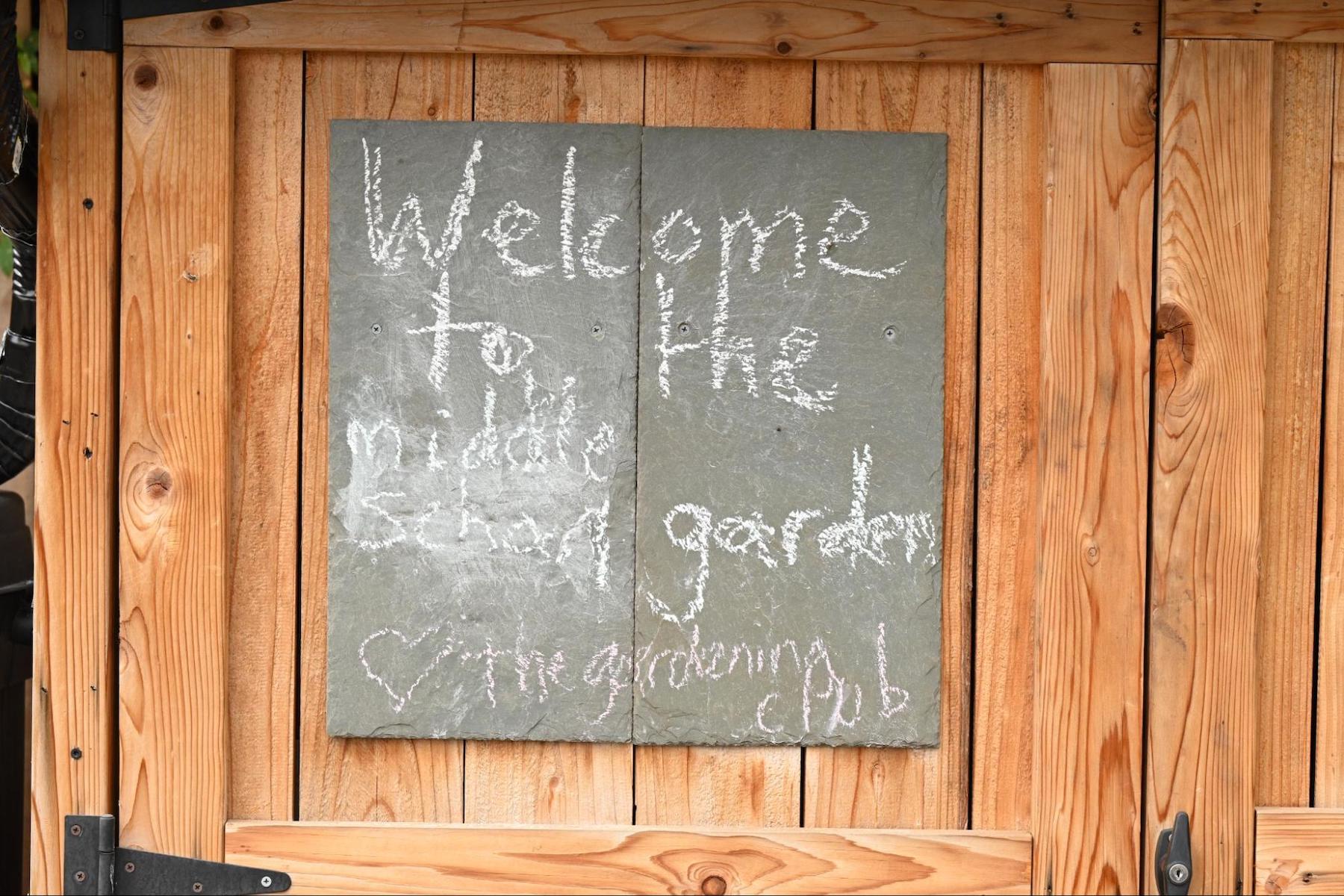
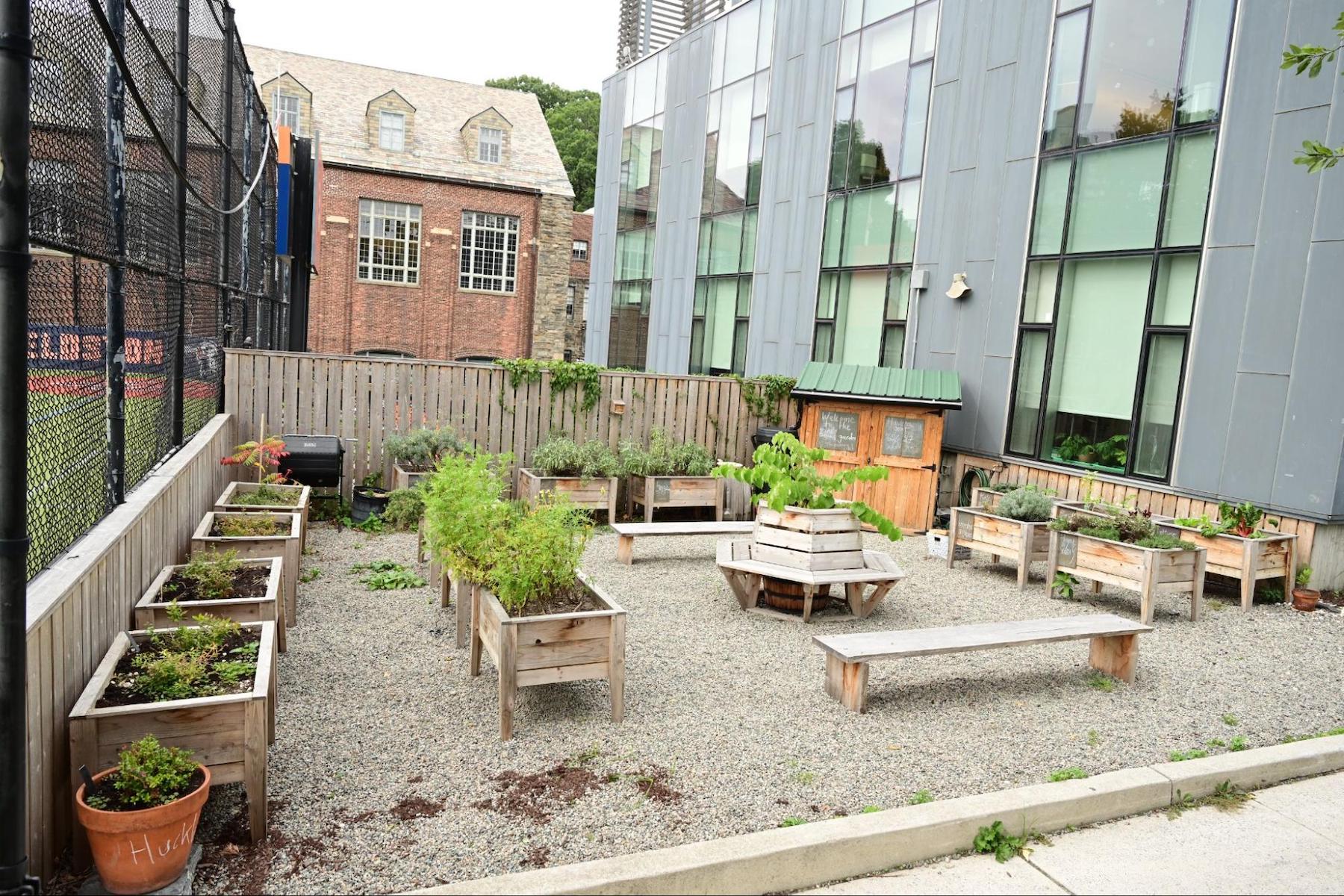
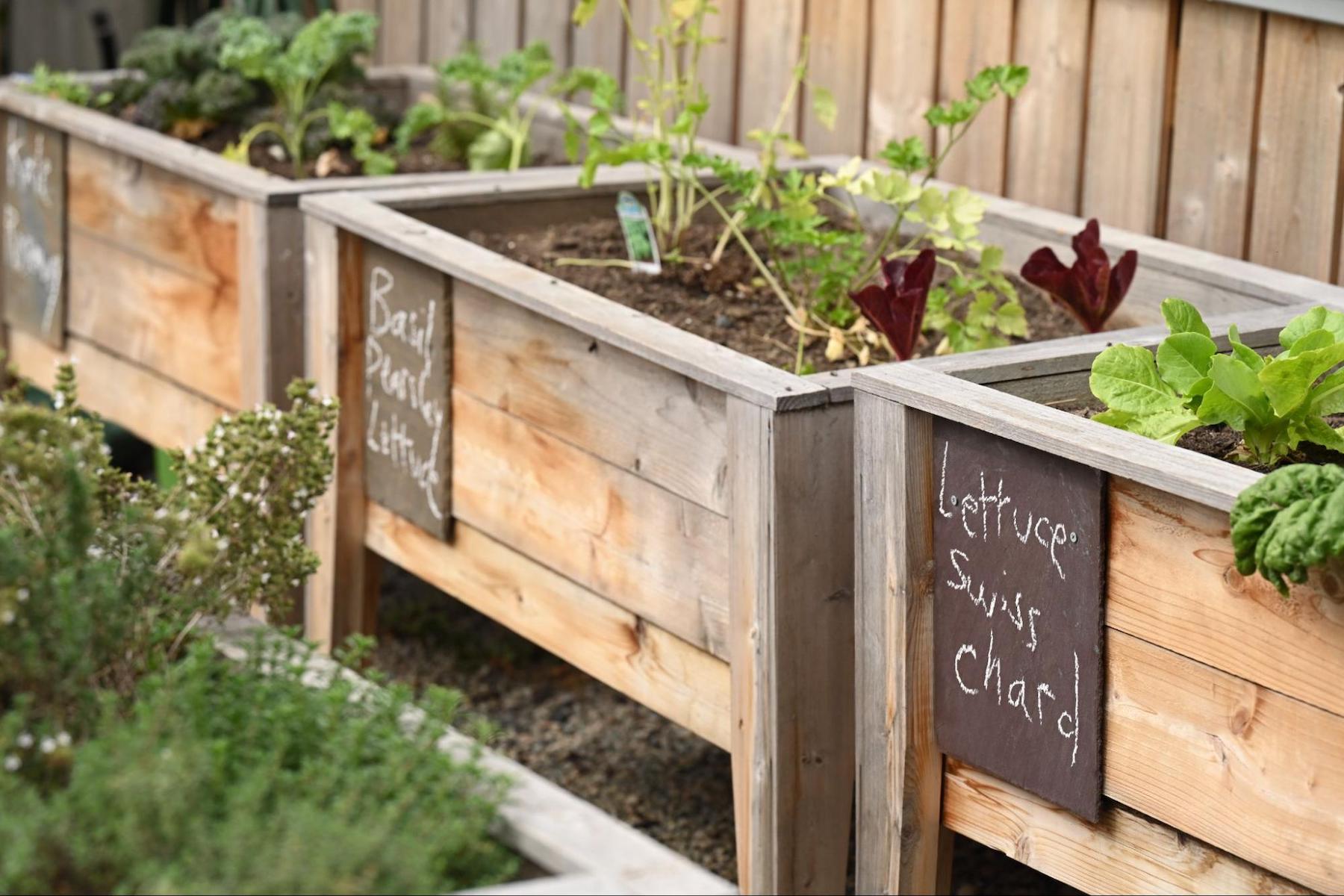
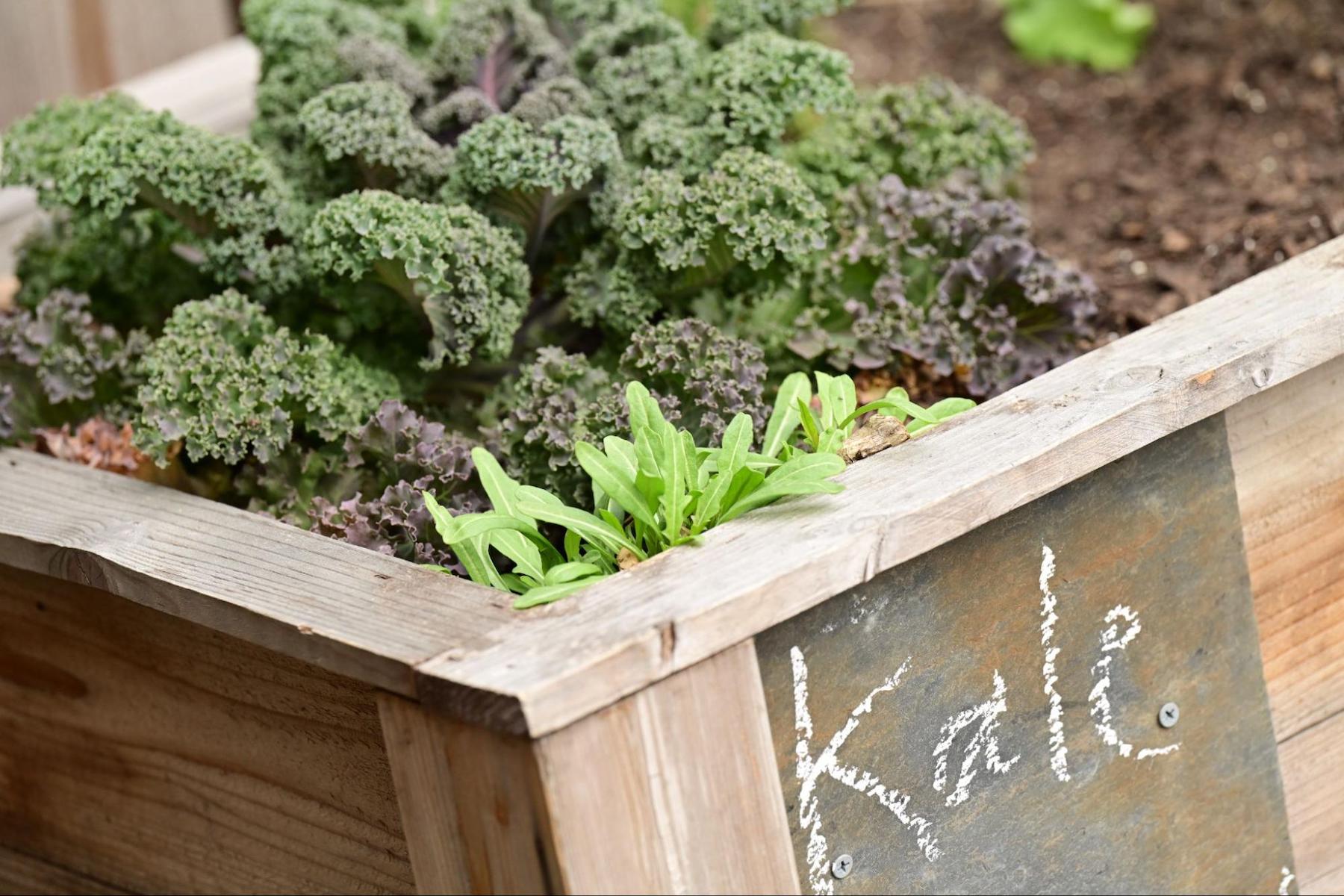
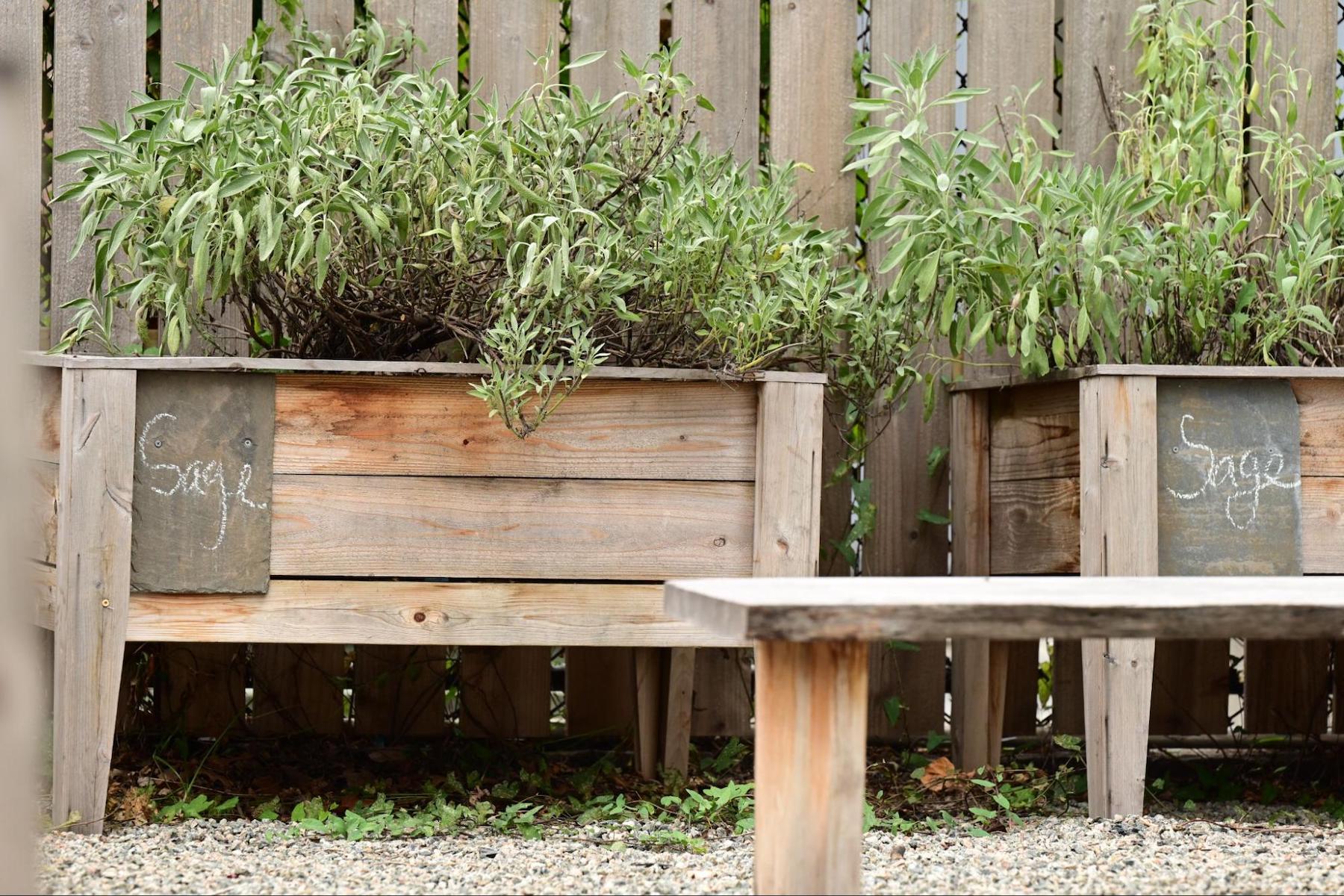
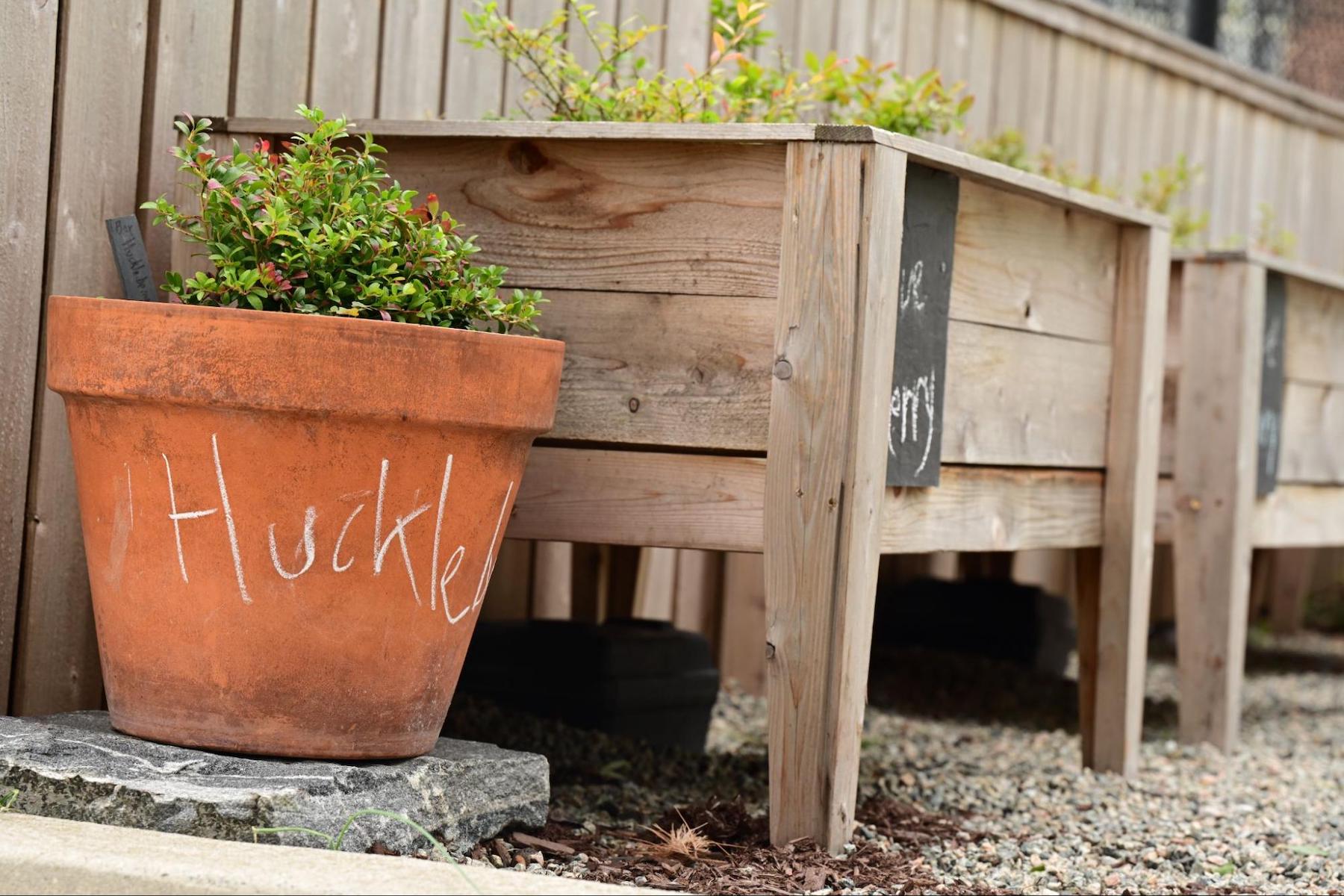
The Middle School Herb Garden sits across from the Fieldston Lower playground between the lower field and the Fieldston Middle building. Built in partnership with Math Teacher Jon Richer and maintained by French Teacher Angèle Renard, the Middle School Gardening Club, and Facilities, the space and its surrounding pathway house seasonal and perennial herbs as well as native foliage. When the herb garden relaunched in summer 2025 as an outdoor classroom, with cedar planters and black locust benches, it joined the Middle School Roof Garden as another unique space at ECFS designed to provide students with immersive learning opportunities.
Even this early in the garden’s existence, Renard is finding ways to incorporate it into classroom studies. Science teachers bring students outside for field study, and a 6th Grade history teacher whose class is studying Native Americans recently asked Renard to speak with students about native plants. These early collaborations are just a few examples of how the garden connects the curriculum across divisions and disciplines.
“We’re trying to build these connections, and there’s so much more to do,” Renard says.
The garden has brought Renard into closer collaboration with Facilities, a team she would not typically work with as a teacher. Fieldston Upper ceramics students contributed bird baths, while an Architecture class created a bench. Even the plants themselves have become a way to spark conversation.
Beyond the School, Renard is also working with a peer school, Riverdale Country School, and Riverdale Neighborhood House. In partnership with these neighbors and local grassroots organization Art for Aid, she has participated in garden tours and skill shares. The groups also hope to eventually host a roundtable discussion about how their gardens are structured, particularly in school settings.
For Renard, this exchange is part of a larger movement toward sustainability in education. “We’re trying to learn from each other,” she says. “Everyone is figuring out, based on what they have, how they can renew and nurture our connection to nature and to one another.”
As ECFS, that work is supported by something not every New York City school has: acreage. The gardens have created an opportunity for the School to become a pioneer in sustainability while making the natural world more visible around campus.
Renard sees this as a natural extension of the School’s history and mission. “It’s a strong signal to send to the community when the School dedicates space for the ecosystem,” Renard says. “If you think of Felix Adler’s original mission, he was responding to the needs of his time, and it’s clear to us that the needs of our time have to do with sustaining nature. I think it’s really mission-aligned to have a garden, not only for children to experience it and to put their hands in the soil and go from the seed to the plant, which is a magical process, but for everyone to see that we’re dedicating a space to it. Most importantly, the gardens also provide a home to plants, insects, and birds as they live and migrate through our neighborhood.”
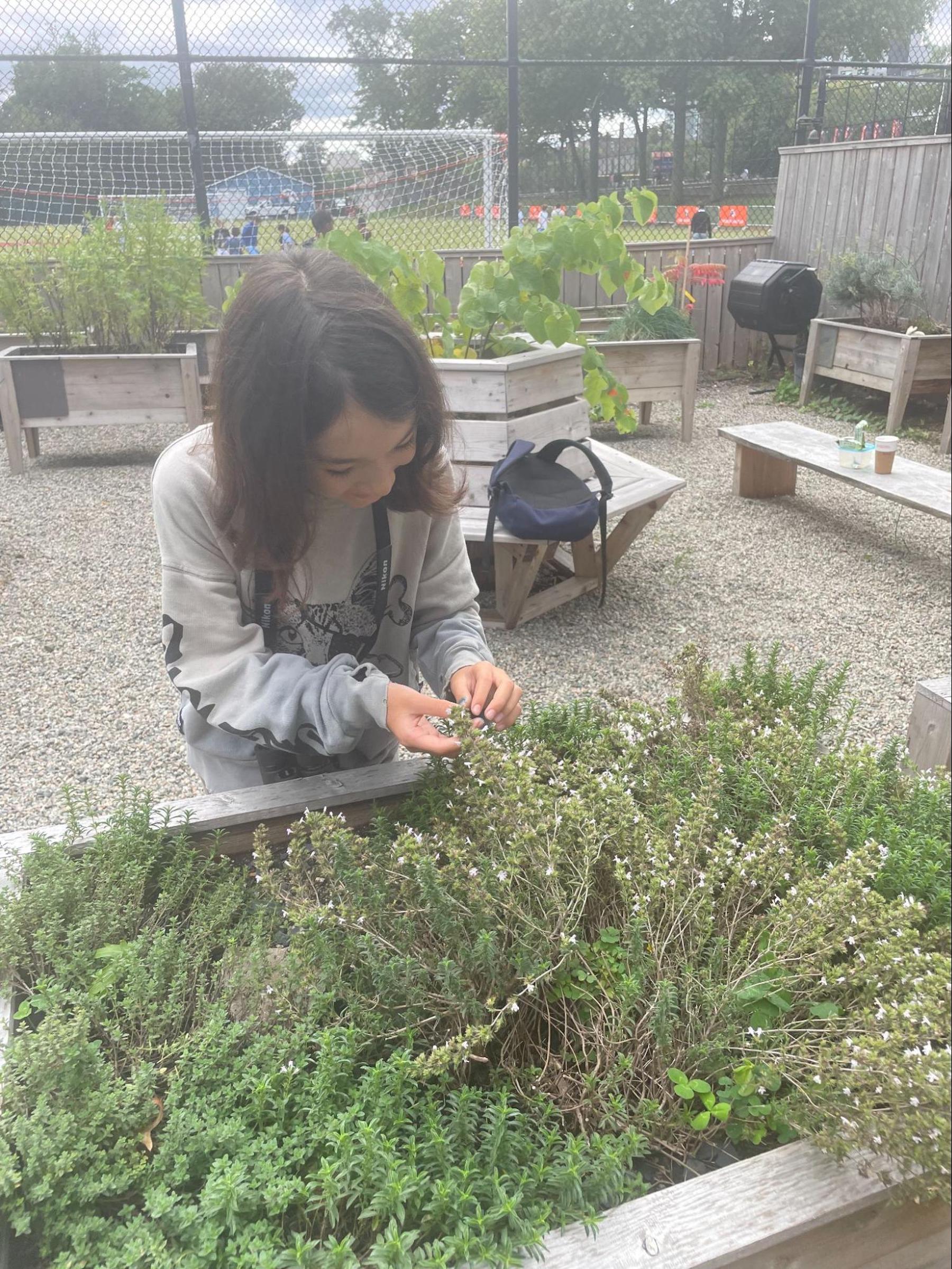
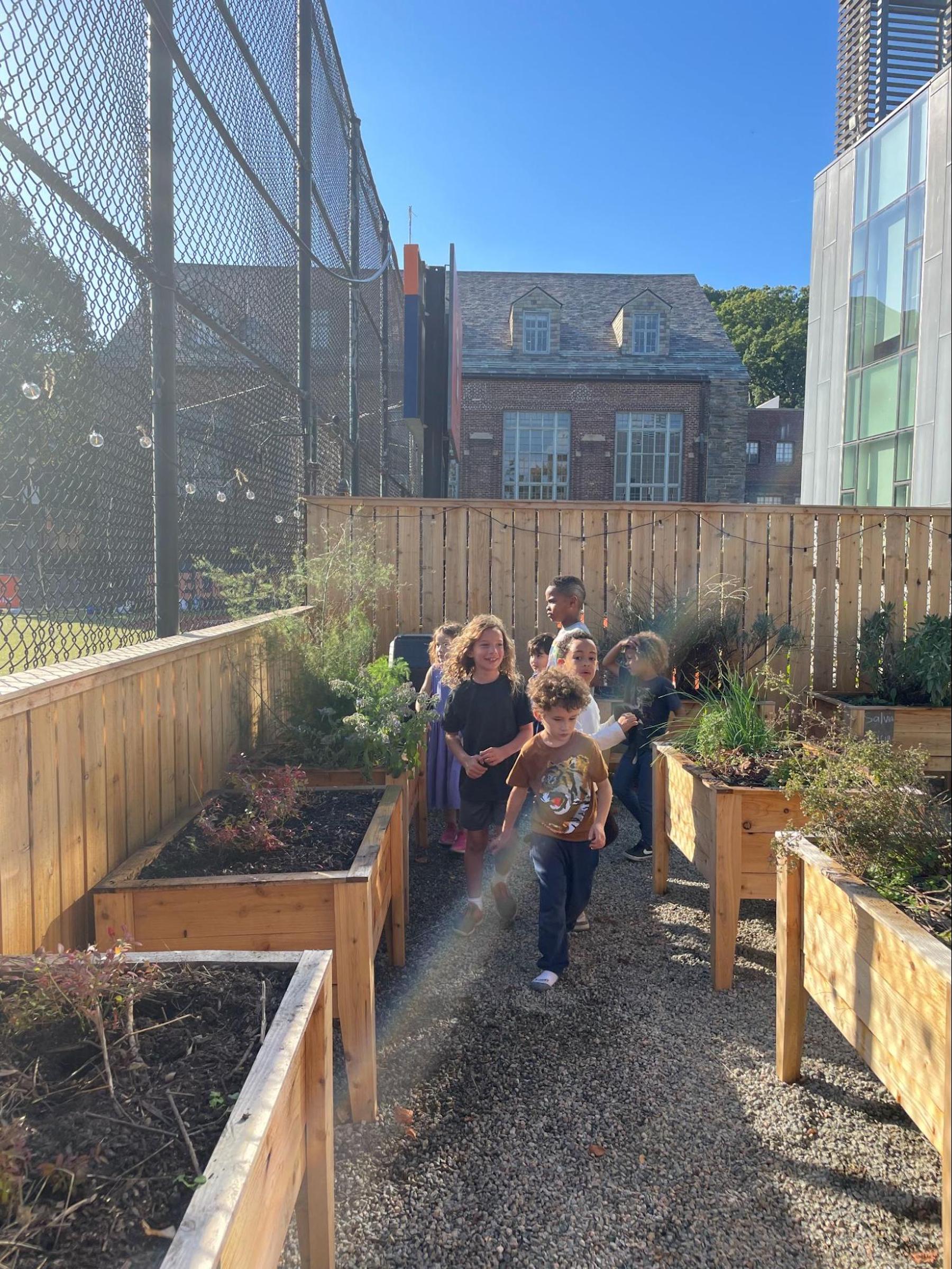
The garden’s sense of community begins early for students. Fieldston Lower runs its own garden and uses the Middle School Herb Garden for studies with Garden & Environmental Educator Chris Lally. Students can encounter the space at Fieldston Lower and then learn to care for it at Fieldston Middle, forming many attachments to the space and those who join Gardening Club eventually take ownership of helping it flourish. A group of then-Middle School students also helped plan the garden’s initial design, budget, and measurements.
For Renard, the Gardening Club creates a kind of learning environment where students can participate in the work in different ways and form relationships that might not develop otherwise. Some gravitate toward the physical work of carrying materials or planting, while others simply like spending time in the garden and talking with Renard. “It’s also a moment when you chat with students on a different level,” she explains.
Gardening with students she wouldn’t typically teach also allows for multifaceted conversation, helping them realize that teachers and other adults at the School have interests beyond what might typically come up in the classroom.
As Renard explains, working with others in a garden is often similar to working with them in a classroom. “You teach students information, but often they have their own knowledge and experience, so it’s a back and forth,” she explains. “You’re working together towards a common goal, so in the garden, there’s no hierarchy like there could be in the classroom sometimes. Our gardening practice is based on observing plants’ progress so we can make the best choices for them, similar to the classroom. For students, it’s building a different relationship to the School and to their peers.”