How PLOP is helping students feel seen at Fieldston Upper
On Friday mornings at Fieldston Upper, 11th Graders drift into 9th Grade advisories carrying breakfast sandwiches, finished homework, and conversation starters they may or may not use. Some mornings, the room opens easily. Students talk about stress, friendships, sports, or the strange rhythm of adjusting to high school. Other mornings, the conversation stalls after a few awkward answers and long silences.
The mentors come back anyway.
By the middle of the first semester, most 9th Graders have figured out which staircases and hallways shave precious minutes off the walk between classes and where to sit in the Student Commons depending on whether they are seeking company or quiet. They know how to fill a free period, which Tate Library tables are best for studying, and how to keep up with daily life at Fieldston Upper.
By then, though, chances are someone from PLOP already knows their name. That familiarity is the point. At Fieldston Upper, these small interactions form the foundation of the Peer Leadership Opportunity Program, or PLOP, a student-run mentorship initiative designed to make the School feel more connected across grades. Other parts of high school take longer to learn.
“There is no script,” explained Sabrina S. ’26, one of the student leaders who helped build the program. “Real mentorship cannot be reduced to a lesson plan. It comes from consistency and trust and from remembering someone’s name, waving to them, noticing when they seem off, or creating a space where they feel safe enough to ask the questions they may be embarrassed to ask adults.”
For Sabrina, that philosophy came from her own transition into high school.
“Some of the moments that shaped my experience never happened in a classroom,” she said. “They happened through conversations with upperclassmen on my sports teams, jokes before practice, and advice that felt honest because it came from people who had been in my position before.”
“I never felt like I was being ‘mentored,’” she added. “I just felt seen.”
That feeling eventually became the foundation of PLOP.
The program was redesigned in 2024 by Sabrina and Zander P. ’26 with guidance from 12th Grade Psychologist Dr. Ben Harris. Both students had participated in the School’s previous mentorship model, Junior Peer Mentoring (JPM), but wanted to create something that felt more integrated into everyday student life.
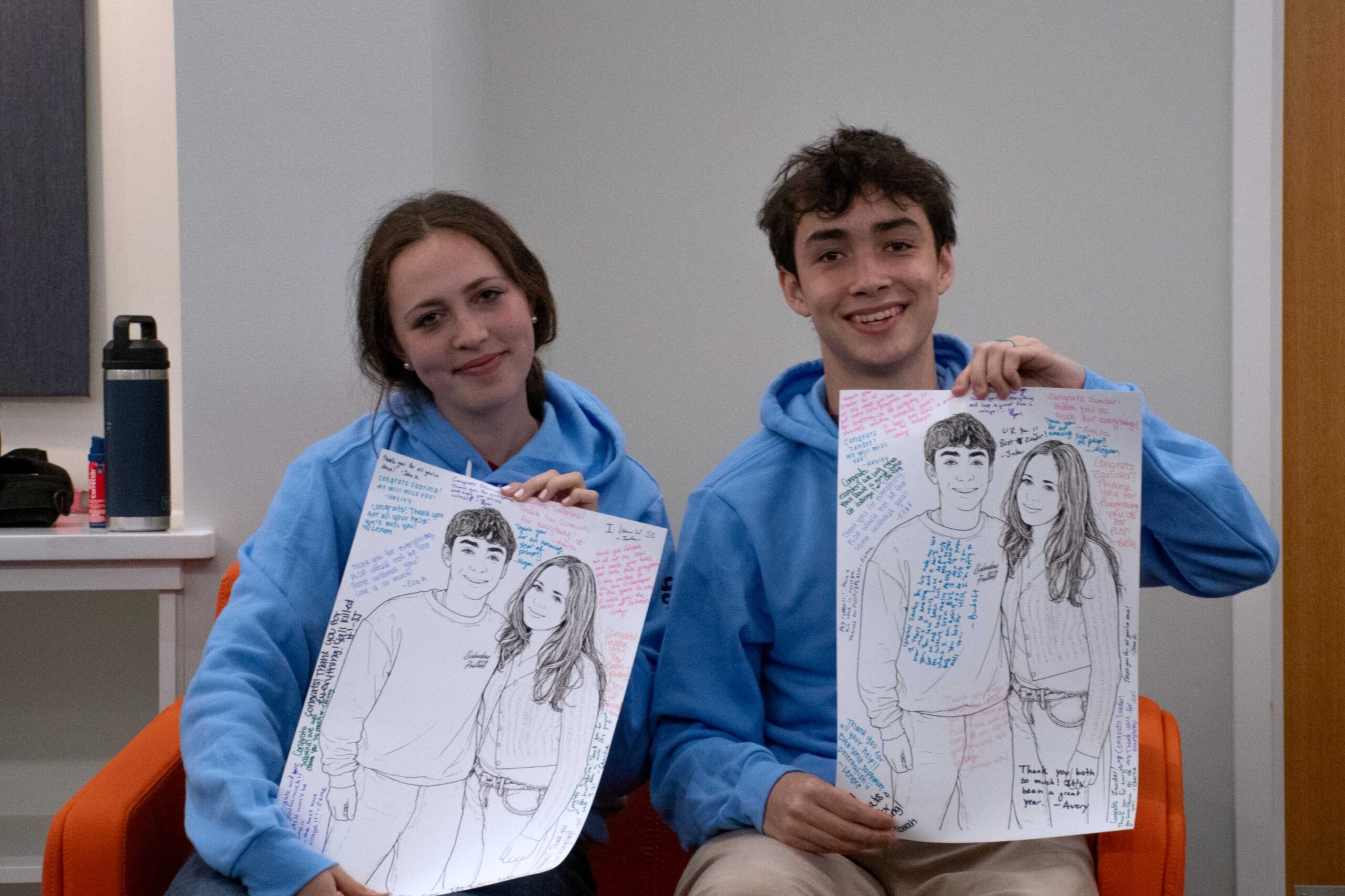
Before long, PLOP became part of the weekly rhythm of Fieldston Upper. Every Friday during advisory, 11th Grade students, known as “Ploppers”, meet with 9th Grade advisories, leading conversations on topics like stress, leadership, and friendships. The key to the program’s success, however, is its flexibility.
High school can often feel sharply divided by grade level, especially during the transitional year of 9th Grade, as students determine where they fit socially and academically. PLOP attempts to soften that divide by making mentorship feel less formal and more woven into everyday life. “At a school as large and busy as ours, grades can easily separate into their own worlds,” Zander explained.
“A main problem we faced when restarting the program was legitimacy,” Zander continued. “The earlier sessions still felt weird. Students didn’t open up very much and were confused about the point of the program and the care of the mentors.”
In the end, they realized that the solution was relatively simple: repetition and consistency.
“After weeks of showing up every time, the program gained legitimacy by just becoming routine,” Zander said. “Real bonds and connections began to form between grades.”
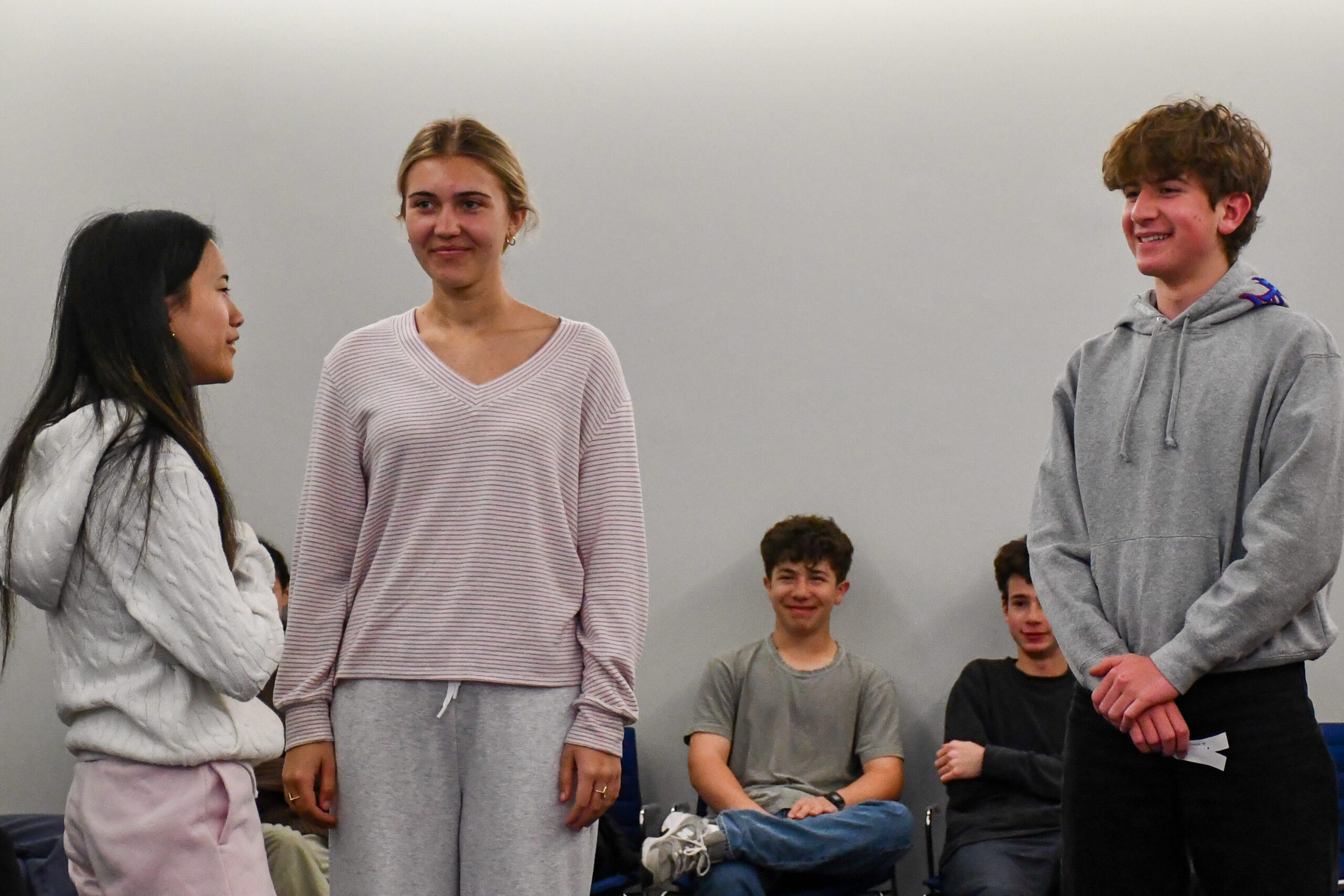
For 11th Grade mentor Charles S. ’27, the importance of the small interactions with 9th Graders became personal. Charles joined ECFS in 9th Grade after attending a Kindergarten–8th Grade school previously.
“In my PLOP group, I was surprised to find a kid from my old school,” Charles said. “I joined PLOP with the very intention of helping others integrate as smoothly as I did.”
Throughout the year, Charles’s relationship with this particular student grew through ordinary moments rather than one defining action. “I always tried to be there for him, answering any of his questions, offering advice, and checking in each morning on the bus,” he reflected. “No single moment stands out above the rest, and maybe that is the point. Being that steady presence for someone in the same position I once was, reminded me why this program matters.”
Plopper Megan O. ’27 shared that one of her most memorable moments came during a game of advisory Jeopardy about Fieldston’s history, traditions, and student life. “Some of the questions were pretty obscure,” Megan laughed, “so it was fun watching everyone relax, laugh, and work together to make guesses as a group.”
What stayed with Megan was the atmosphere created while playing a game together. “PLOP isn’t just about giving advice on course selection or briefing students on home reports,” she explained. “It’s about welcoming them into the community, helping them feel a sense of belonging, and making the transition into high school feel less overwhelming.”
That sense of continuity has also shaped the program’s structure. Through SPLASH, a senior advising group, seniors mentor current junior leaders and prepare them to eventually take over the organization in sessions called “DRIP groups.” The goal, Sabrina said, was always to build something that would outlast its founders.
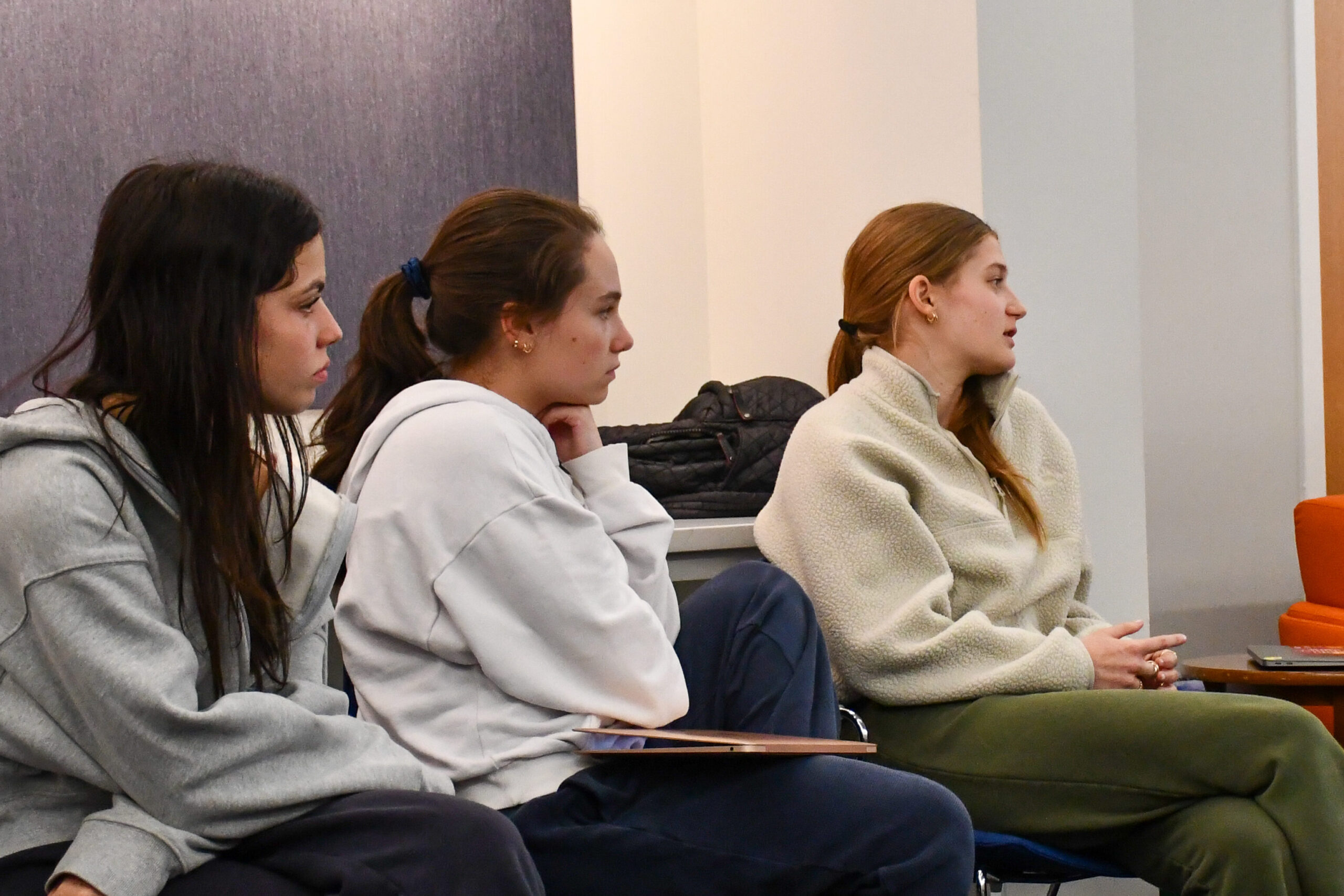
“I hope PLOP leaves behind a culture where mentorship between grades becomes a permanent part of student life at Fieldston,” she said. “More than any individual or lesson plan, I want the lasting impact to be the system itself: older students consistently supporting younger students and then preparing them to step into leadership roles themselves.”
That sustainability did not happen automatically. Early on, Sabrina and Zander worried that the program might lose momentum after they graduated, making recruitment one of their highest priorities.
Now, after multiple rounds of recruitment and training, the network of mentors has expanded well beyond its original leadership team. “Sabrina and I will leave Fieldston with a class of around 25 11th Graders and 40 10th Graders, all dedicated to keeping the program thriving,” Zander shared. Just recently, these rising ploppers and splashers completed orientation for next year and are excited for all that PLOP will accomplish during the 2026–2027 academic year.
In many ways, PLOP’s success is rooted in things that are easy to overlook. Most of the work happens quietly between classes, inside advisory rooms, and through conversations that may seem insignificant in the moment but stay with students long afterward.
“The goal was never to just ‘teach’ 9th Graders,” Sabrina said. “It was to create relationships where they felt supported, heard, and comfortable seeking guidance long after an advisory ended.”
And maybe that is exactly why the program works so well. By the time many 9th Graders finally feel settled at Fieldston Upper, they have heard older students say hello in the hallway, pull up chairs beside them every Friday morning, and prove through repetition that at school, one of their peers cares about them and is paying attention to what they need.