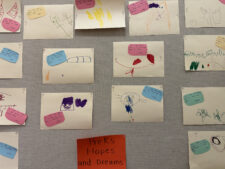
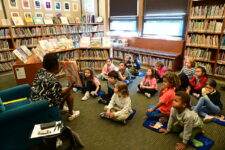
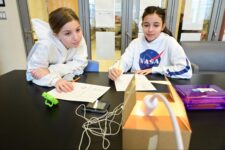
The classroom is a natural place for discovery at every age. At the Ethical Culture Fieldston School, our curriculum encourages students to pursue curiosity and uncover their intellectual potential over time. Educators across our four divisions shared how grade-level schoolwork at ECFS encourages students to develop a sense of inquiry and choice and how responsibilities and independence grow as students mature.
Fieldston Lower
“What makes a bird a bird?” is a question that begins 1st Grade’s journey as thinkers, researchers, and activists. As we embark on this exploration, we are eager to hear the many questions our students ask about birds during the first few weeks of school, such as:
- How do birds fly?
- What is the fastest bird?
- Are Peregrine Falcons faster than cheetahs?
- What is the smallest bird in the world?
As they learn more about birds, 1st Graders also develop a deeper understanding of themselves. Through our nest unit, students study different types of nests and compare them to their own homes, reflecting on what a home means and how it meets the needs of those who live there.
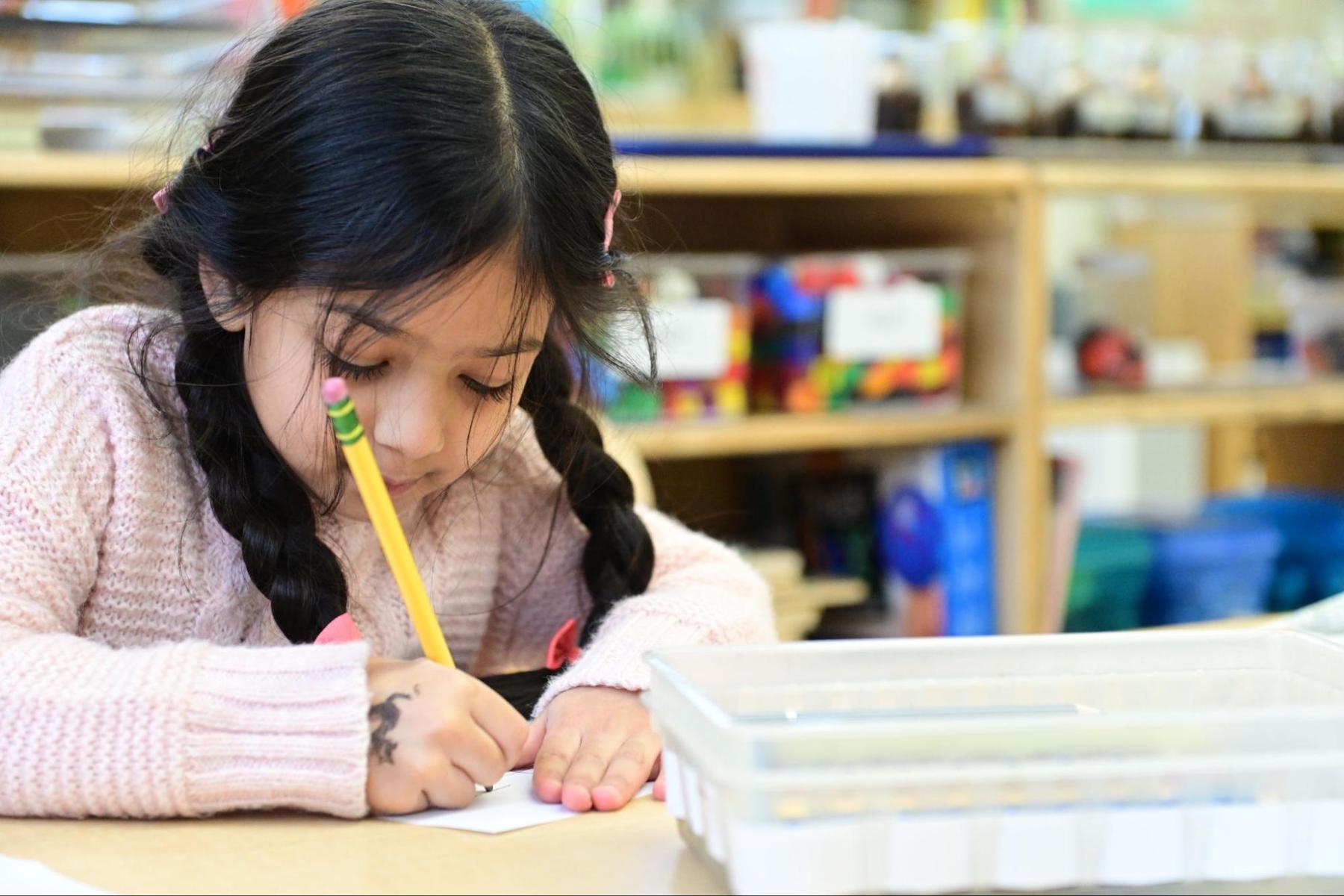
In the spring, each student chooses a bird to research, which becomes “their bird,” (for life!). This choice empowers students to learn, share, and care about not only their own bird, but also about the birds their classmates study. With this knowledge, the year concludes with our most powerful question:
- What can we do to help birds?
And with this, our students are ready to take off and spread their wings!
— Min Young Song, 1st Grade Head Teacher, Fieldston Lower
Ethical Culture
In 5th Grade, student inquiry and choice become increasingly visible through purposeful projects and a curriculum that invites learners to ask meaningful questions and explore multiple perspectives. Inquiry and choice are intentionally integrated across content areas, especially through end-of-unit projects, allowing students to develop agency while still receiving the structure and support they need to succeed.
The Medieval African Kingdoms unit exemplifies how student choice shapes both content and process. By centering Africa’s rich history, diverse cultures, and flourishing empires, this unit offers students a more holistic understanding of the continent and an appreciation of its long history.
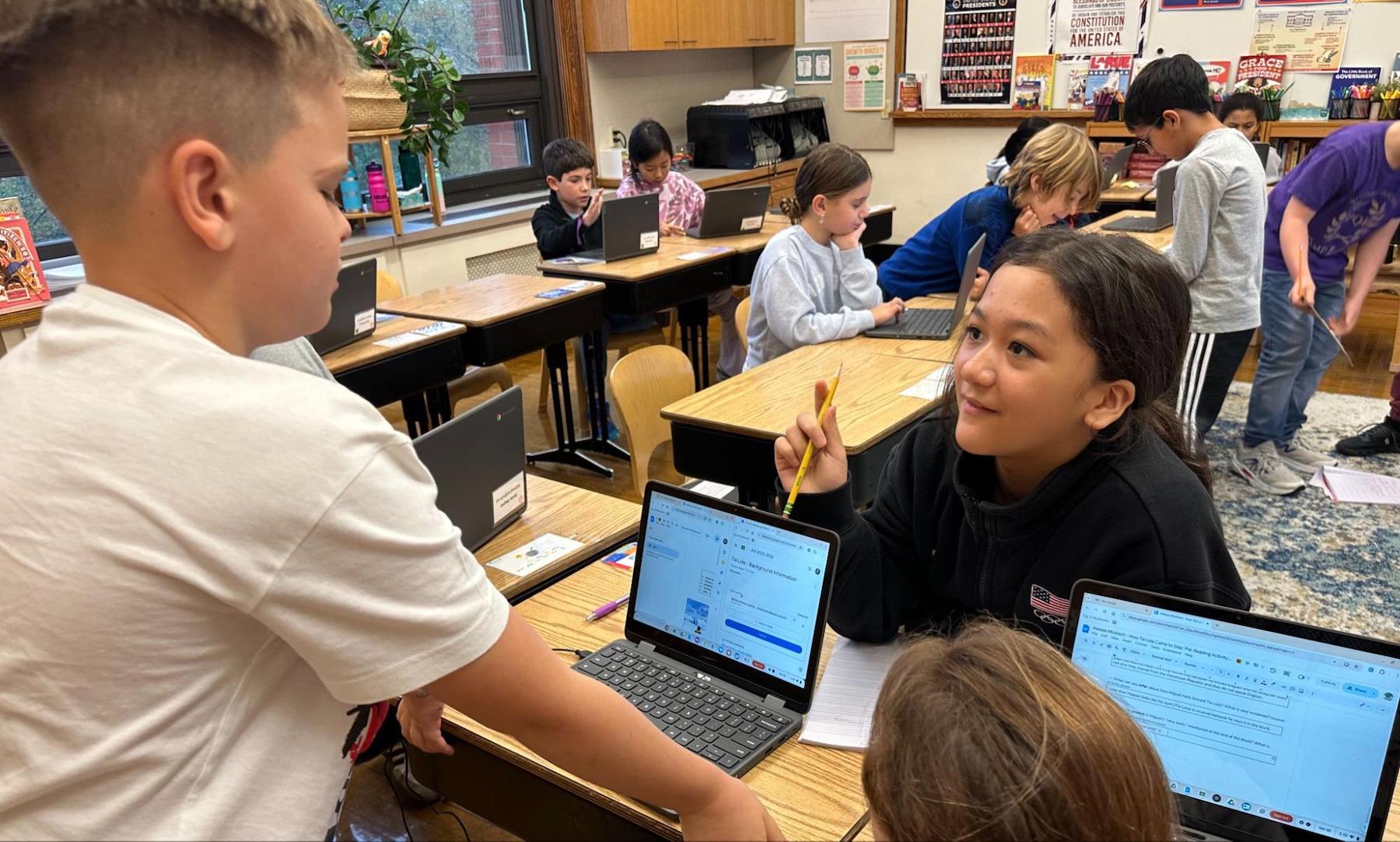
Students also actively build inquiry skills as they engage with complex texts. As they annotate, they identify the questions each paragraph answers, determine the main ideas, and note unanswered questions to spark further curiosity. Students learn to distinguish between open- and closed-ended questions, practice using the 5Ws and H, and engage in close-looking routines such as See, Think, Wonder. They approach texts with a critical lens, asking whose stories are told, whose are left untold, and who gets to tell them.
This culminates in a project in which students design their own research question focused on a topic, story, or perspective they want to highlight about Medieval Africa. Students choose both the form and the content of their presentations, with projects ranging from models and maps to games, comics, and art inspired by the period.
Beyond the classroom, 5th Graders further exercise choice through interest-based clubs such as aviation, reader’s theatre, literary magazine, math club, and mindful doodling. These experiences reflect a growing ability to pursue curiosity with purpose, creativity, and increasing independence.
— Changchup Sherpa, 5th Grade Head Teacher, Ethical Culture
Fieldston Middle
As students move from childhood into adolescence, they experience significant cognitive, social, and physical growth. One key milestone we intentionally nurture in the middle school years is developing independence, particularly in self-guided learning. Students have increasing opportunities to make decisions about their academic work as they progress through the middle grades.
In 6th Grade Math, this philosophy is reflected in our heterogeneously leveled, or differentiated, classroom model. This approach allows teachers to design curriculum and learning experiences that meet students where they are, recognizing that each student enters a unit with different background knowledge and skills.
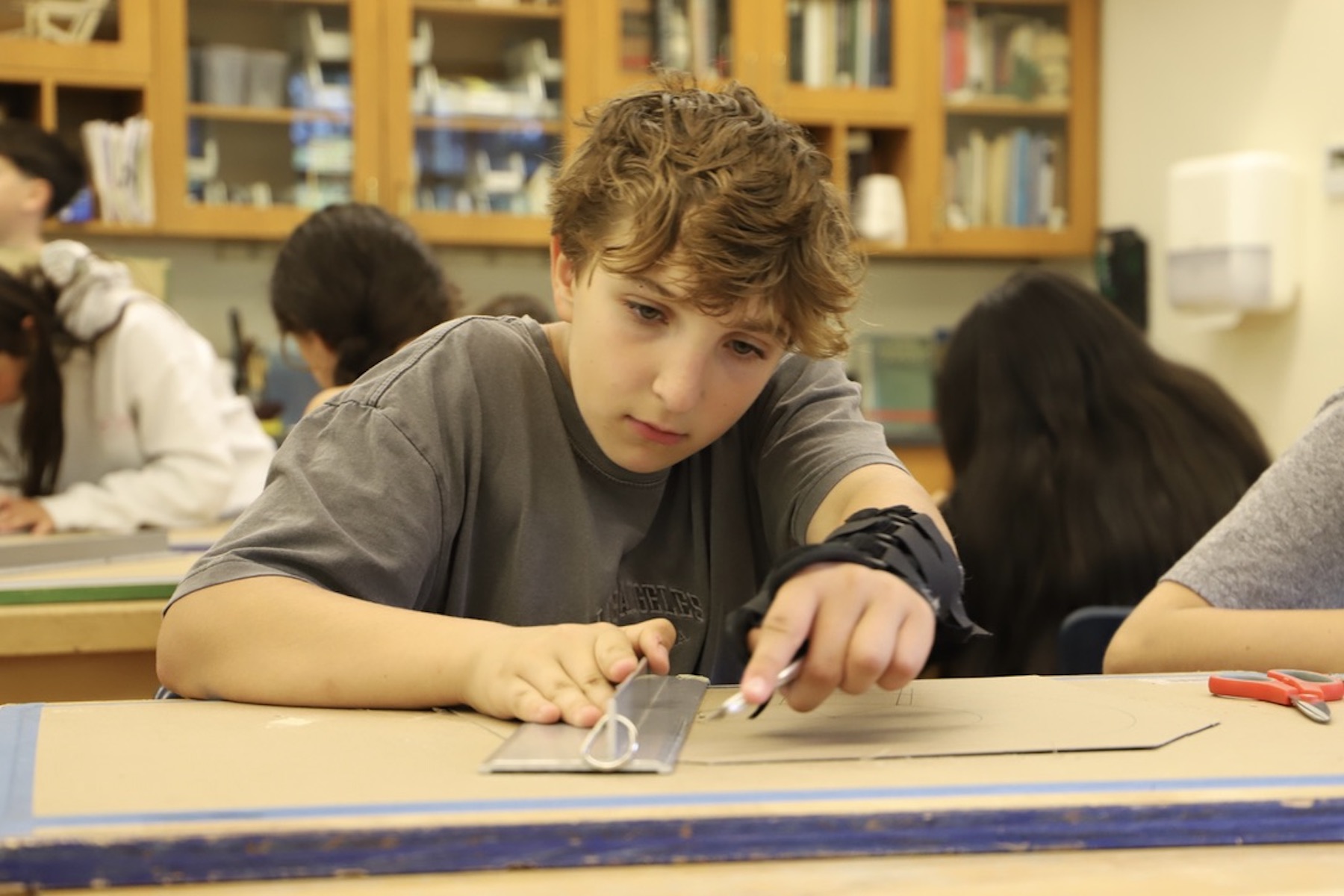
At the start of a new unit, students assess their foundational understanding using descriptors such as “novice” or “practitioner.” A novice may benefit from more direct support, while a practitioner typically demonstrates readiness for more complex material. As the unit unfolds, students are encouraged to regularly monitor their growth and make informed choices about when they are ready to move to the next level, whether that means shifting from novice to apprentice or from practitioner to expert.
This process of reflecting on their readiness and selecting an appropriate challenge level — an exercise in metacognition — helps students build confidence, ownership, and independence. While the choice itself may seem small, it plays an important role in helping our learners understand their strengths, advocate for their needs, and take an active role in their academic journey.
— Jon Richer, Math Teacher, Fieldston Middle
Fieldston Upper
Every February, Fieldston Upper students and faculty participate in two anticipated events: course selection and professional development. These two traditions prioritize self-reflection and demonstrate how our inquiry-driven model of education extends to all members of our community.
The course selection process for non-senior students begins with self-reflection about their experiences and interests. Each student goes through a period of reflection, asking:
- What do I want to do with my time?
- How can I find myself and my interests in the course selection process?
These are questions that, in an ideal world, drive the process.
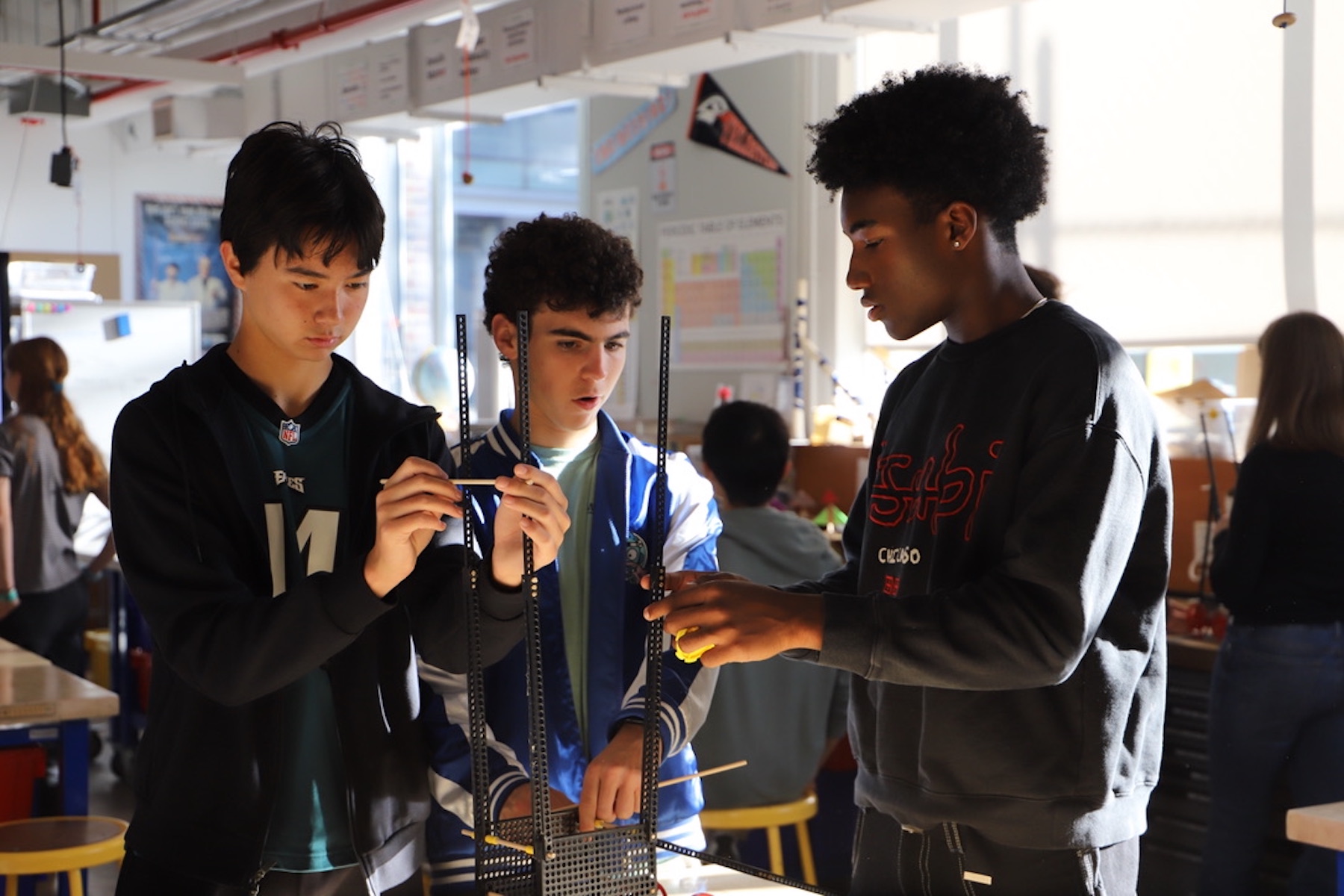
After that period of self-inquiry, students request classes from the Course of Studies. As they progress, they are given more choices, ranging from Humanities and Community Service Learning courses as 10th Graders to a variety of English/History electives in 11th Grade to Independent Studies and Senior Projects in senior year.
For seniors, these questions take on elevated meaning in the college process. To use the students’ parlance, applying to college is the “Final Boss,” involving reflection, self-conception, and declaration of intent. By the time they reach the college process, students are prepared not only to engage with this inquiry but also to be at the center of it, while others — parents/guardians, teachers, advisors — take a secondary role. It’s incredible to see how the questions they formulate as 9th Graders recur annually.
The second February event is our faculty/staff Professional Development Day, when someone will invariably ask, What is progressive education, anyway? I’d offer that the ability to integrate inquiry, reflection, and choice is a core tenet of progressive pedagogy. It asserts that the ability to articulate questions that drive understanding is just as, if not more, essential to one’s learning than the ability to find an answer. This view prioritizes curiosity, humility, and empathy, characteristics that generations of alumni have reported as essential components of their education and central to their success after ECFS.
— Vinni Drybala, 12th Grade Dean and English Teacher, Fieldston Upper