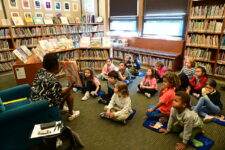
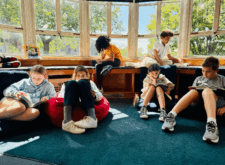
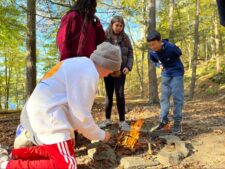
Just beyond their classroom windows, Central Park serves as a living classroom for Ethical Culture’s 1st Grade students. While it doubles as their PE space and the course for the annual ECS-a-thon, the park also plays an essential role in helping students understand how urban green spaces function and why they matter.
“When we visit Central Park our goal is for the children to draw on their observational skills, personal experiences, and prior knowledge about the world to build understanding of the park,” says 1st Grade Head Teacher Alex Checkman. “As with everything that we do in Social Studies, we want students to stay curious, learn to ask questions about the world around them, and, through exploration, develop an understanding of why green spaces are important and the different ways that humans and other creatures use them.”
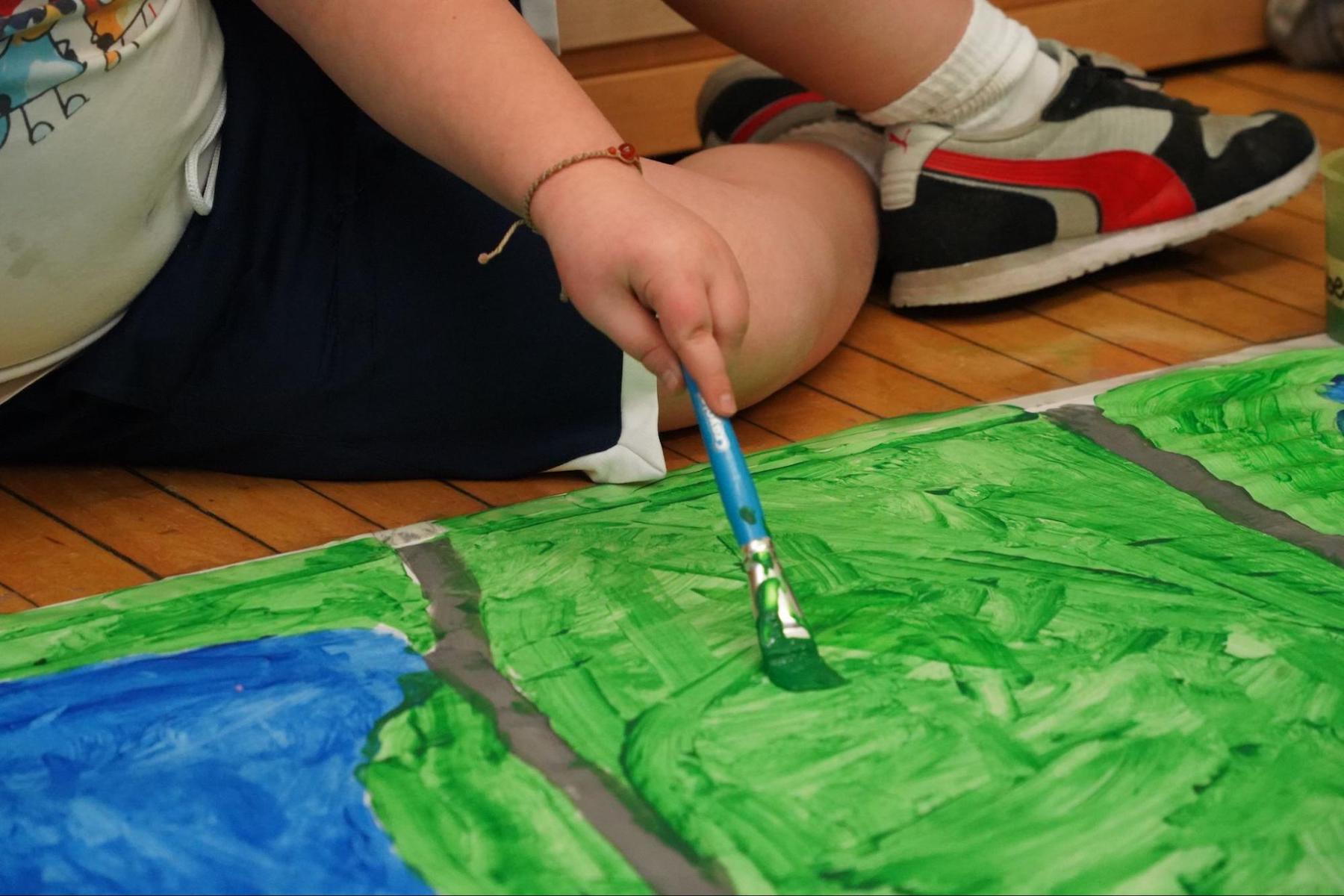
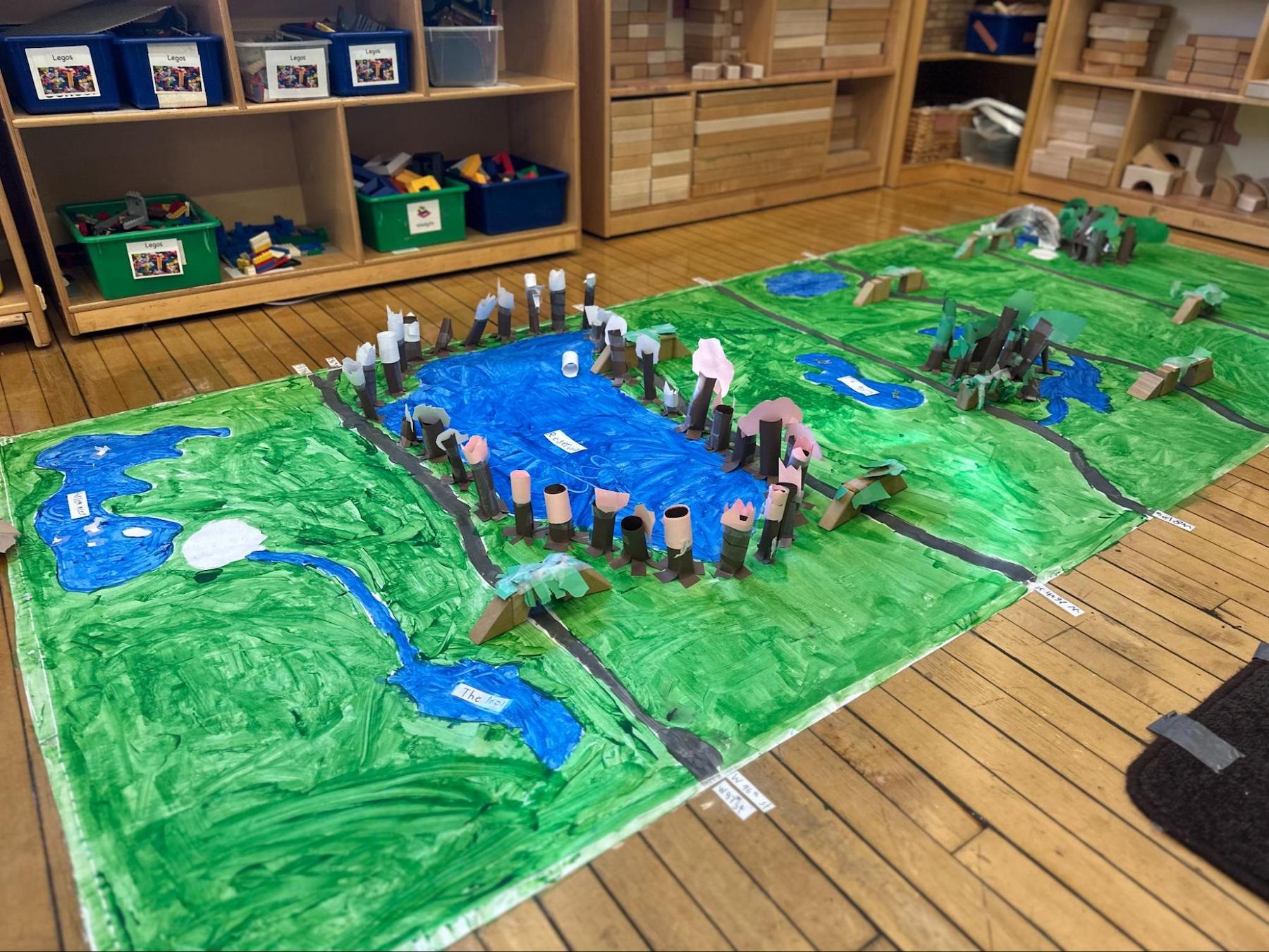
Following a trip to the park to explore its flora and fauna and identify familiar landmarks, students brought their learning back to the classroom to create their own three-dimensional map of the park. While some students browsed the Central Park website to learn more about prominent features like the Harlem Meer and Sheep Meadow, others worked collaboratively to paint a floor-length outline of a park map.
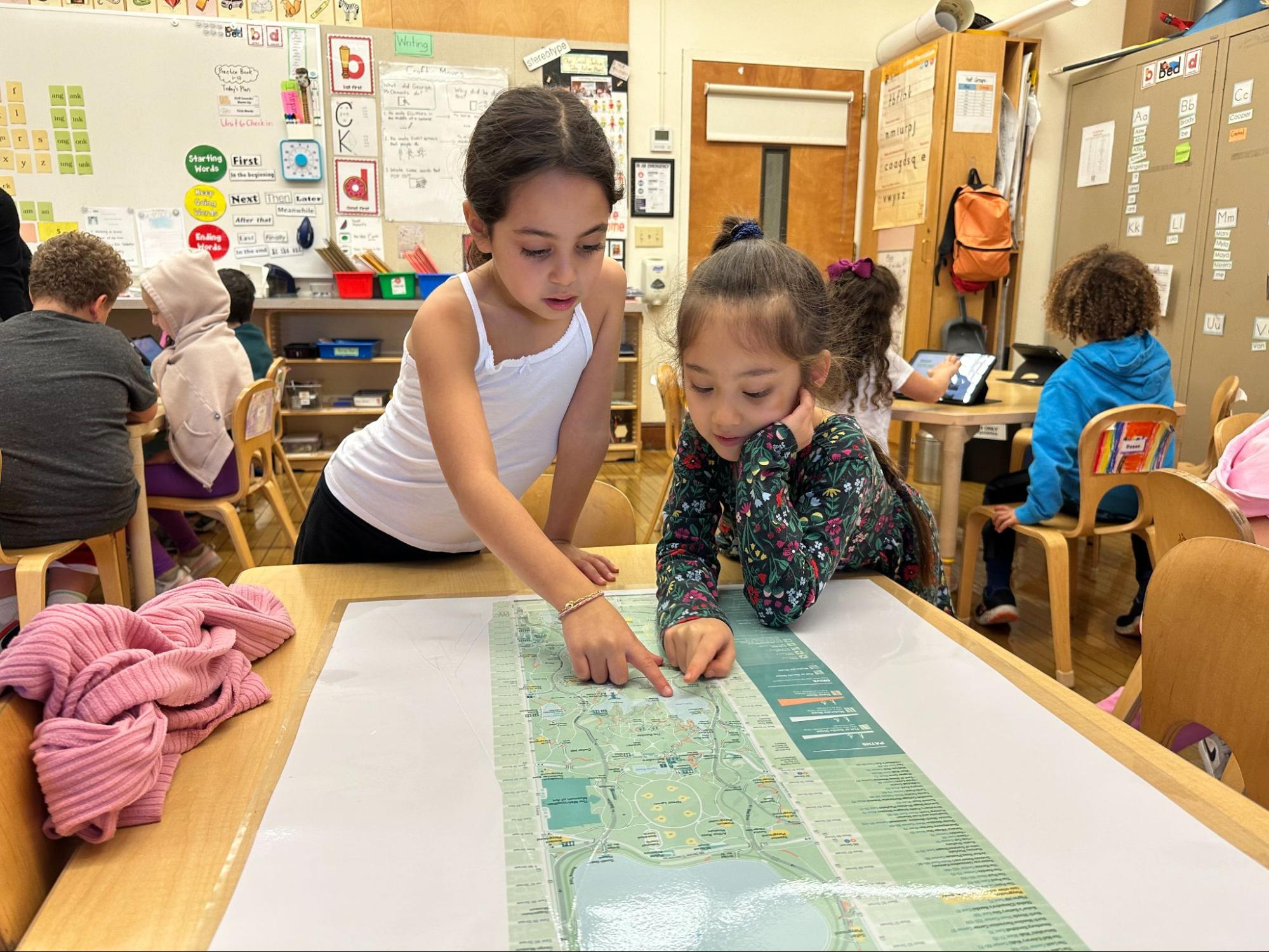
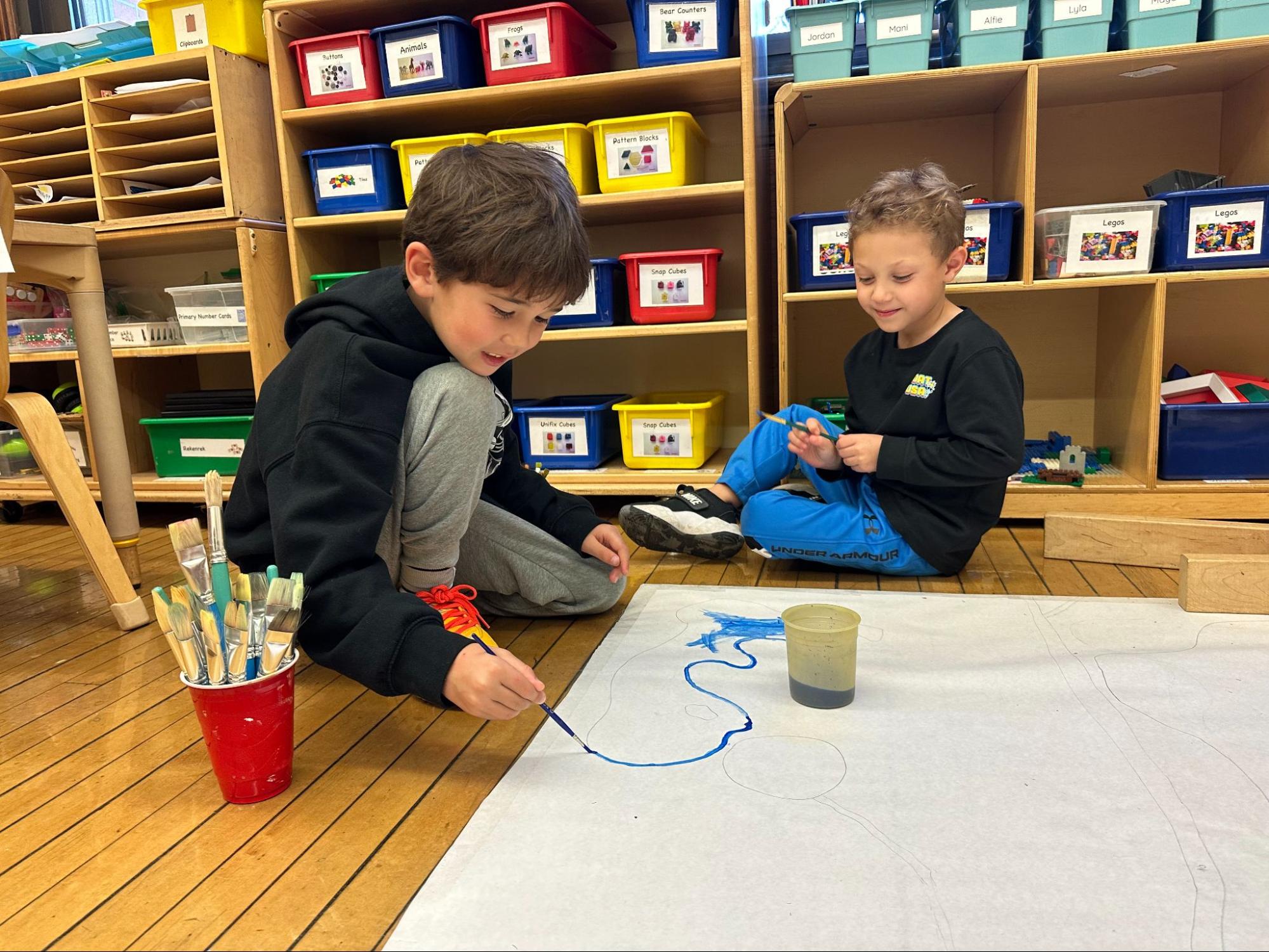
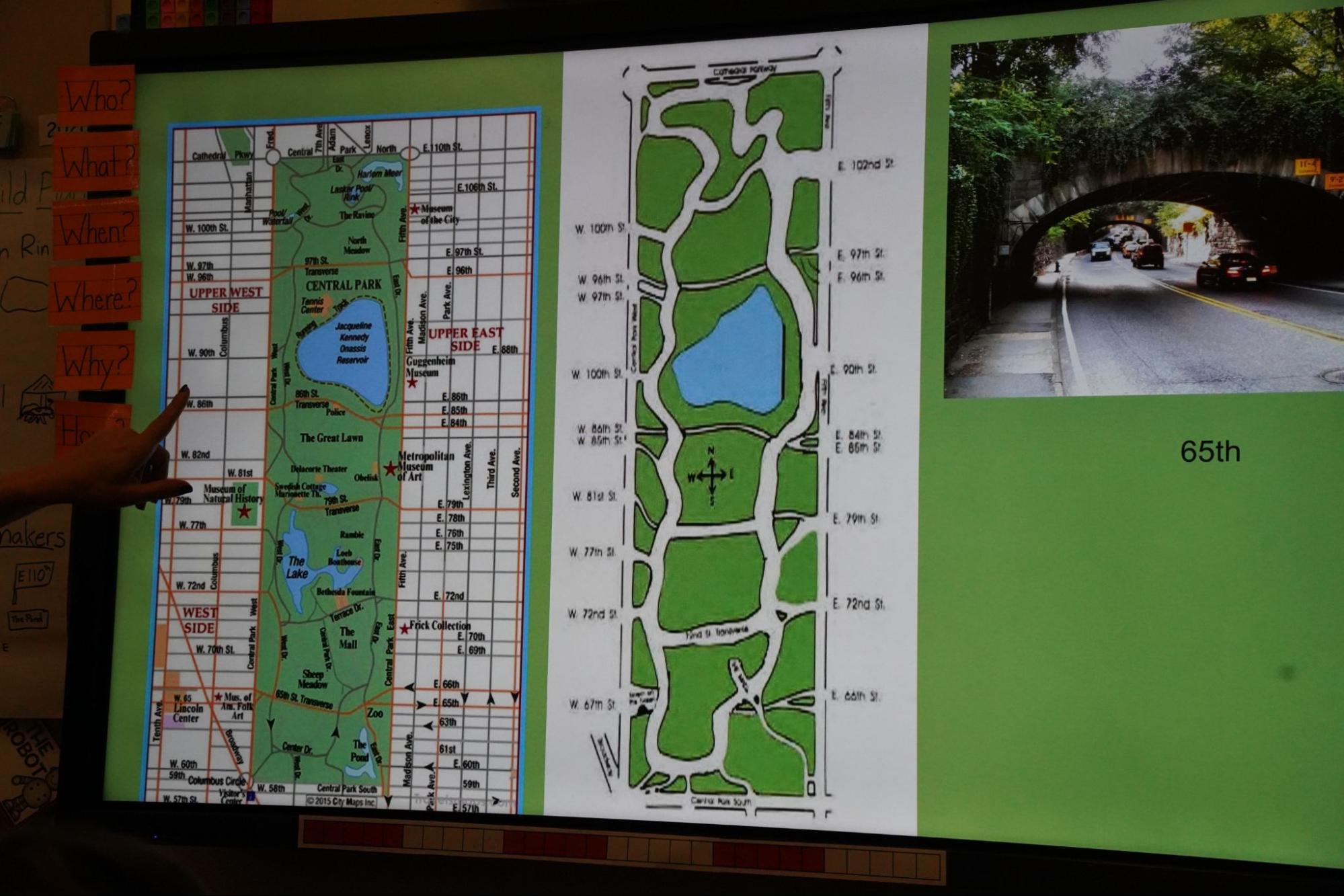
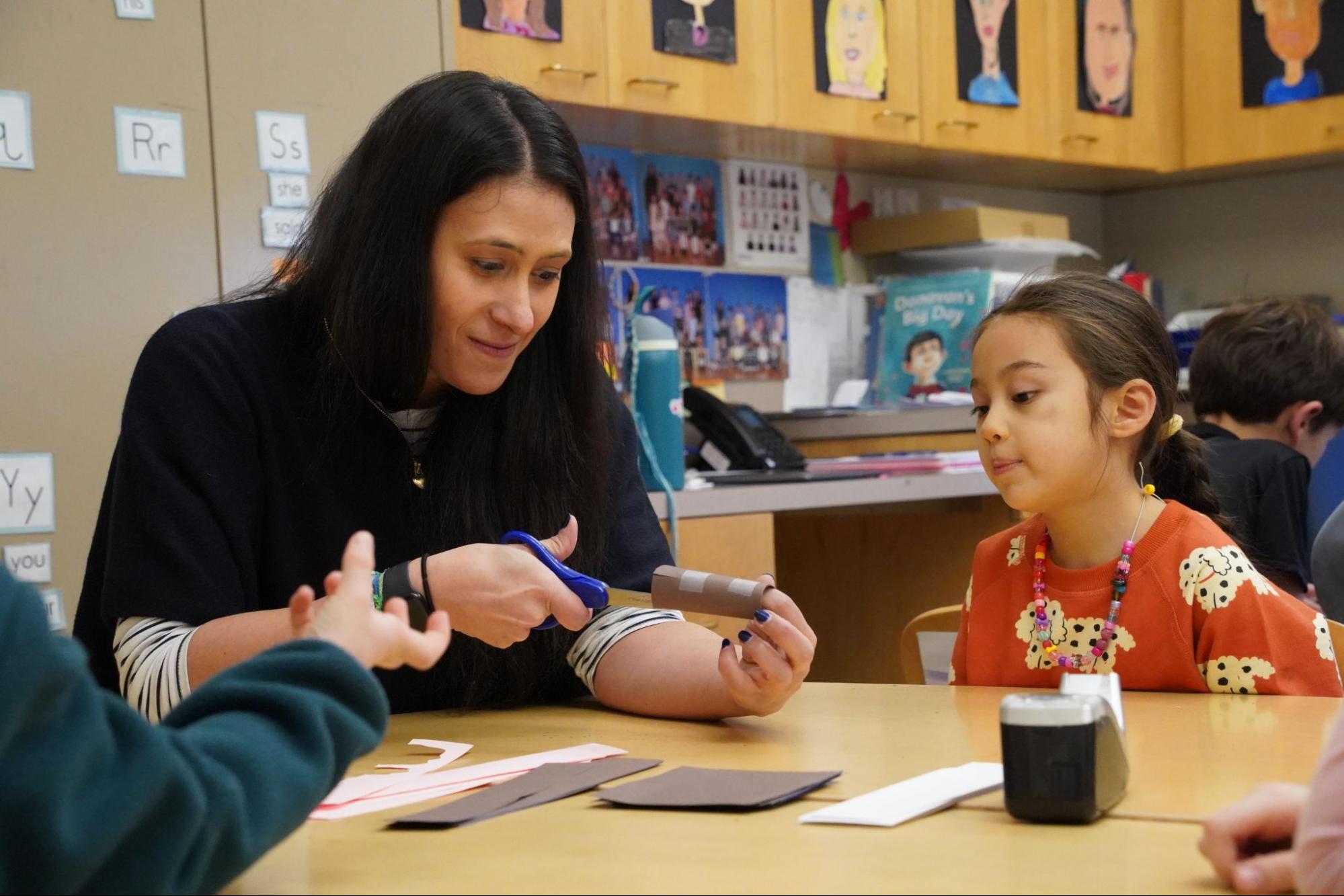
“As students observe and explore digital and printed maps and translate them into their own 3D version, they’re learning to gather information from different forms of evidence,” Checkman explains. “They use maps, stories, photographs, field trips, and artifacts to make meaning.”
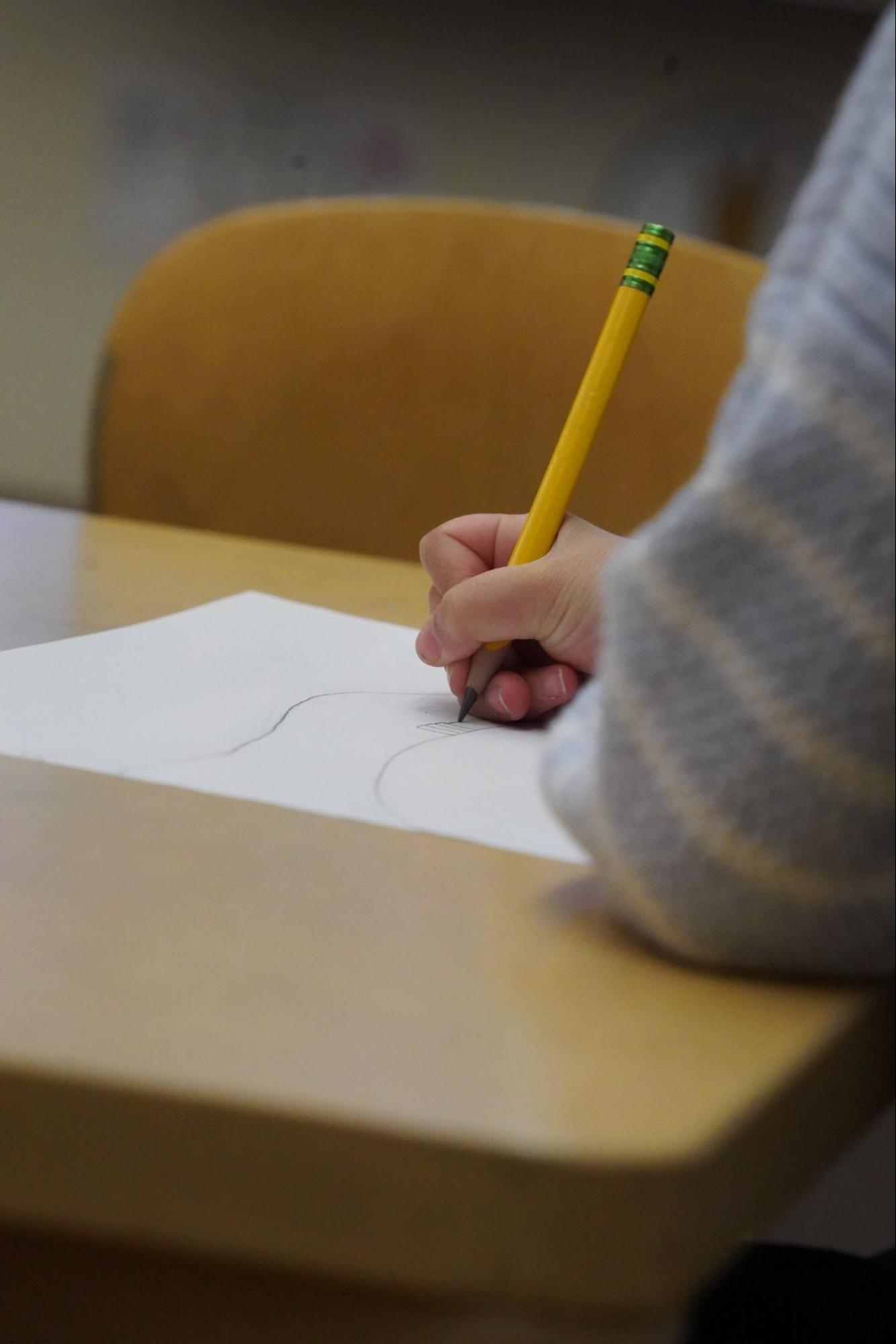
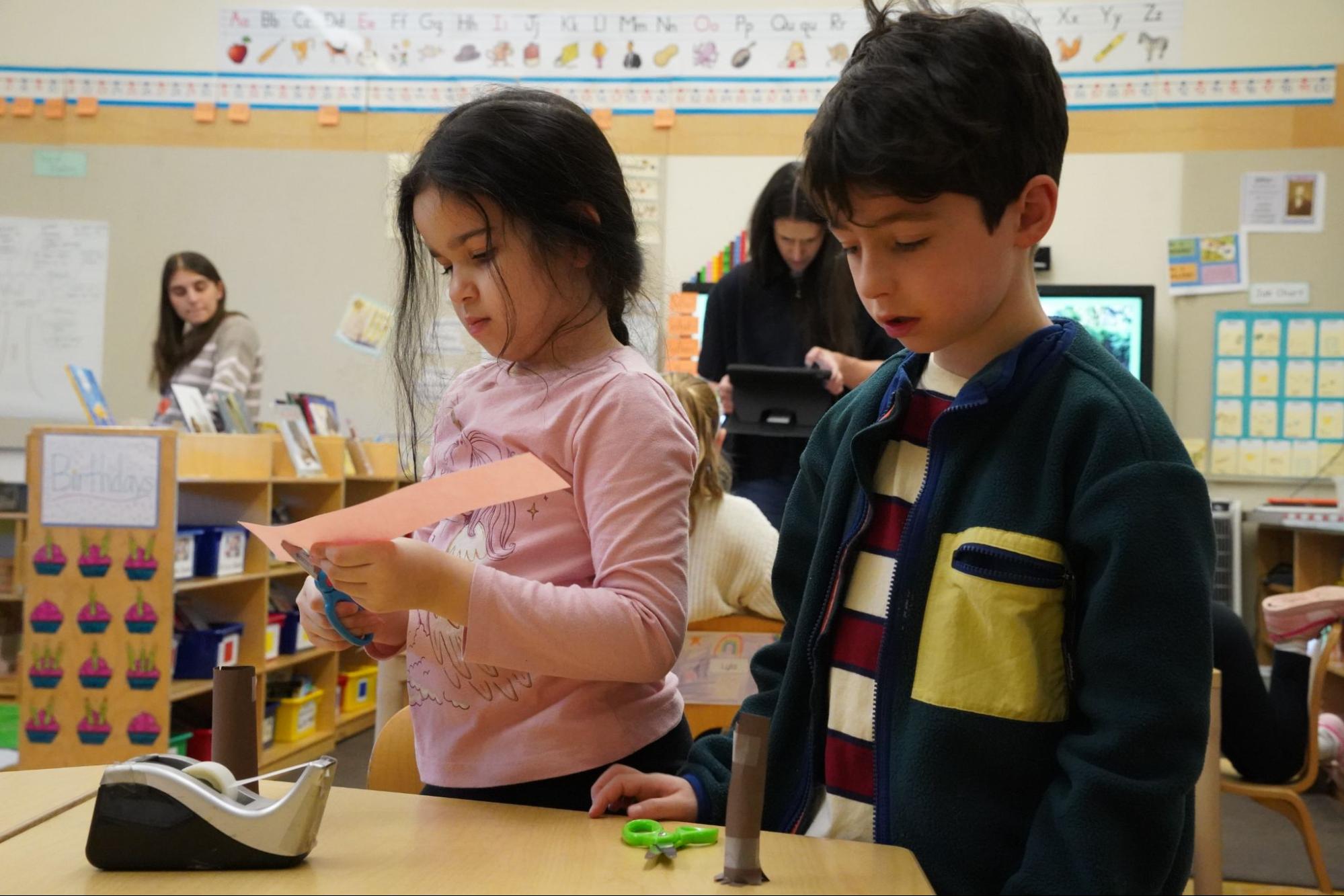
Students then crafted physical additions to the map using paper, cardboard, and blocks to resemble bridges, trees, rocks, and hills throughout the park. “We provide many opportunities to demonstrate what they know — through watercolor paintings, sketches, journal writing, and the 3D block area model, as well as through conversations,” Checkman says.
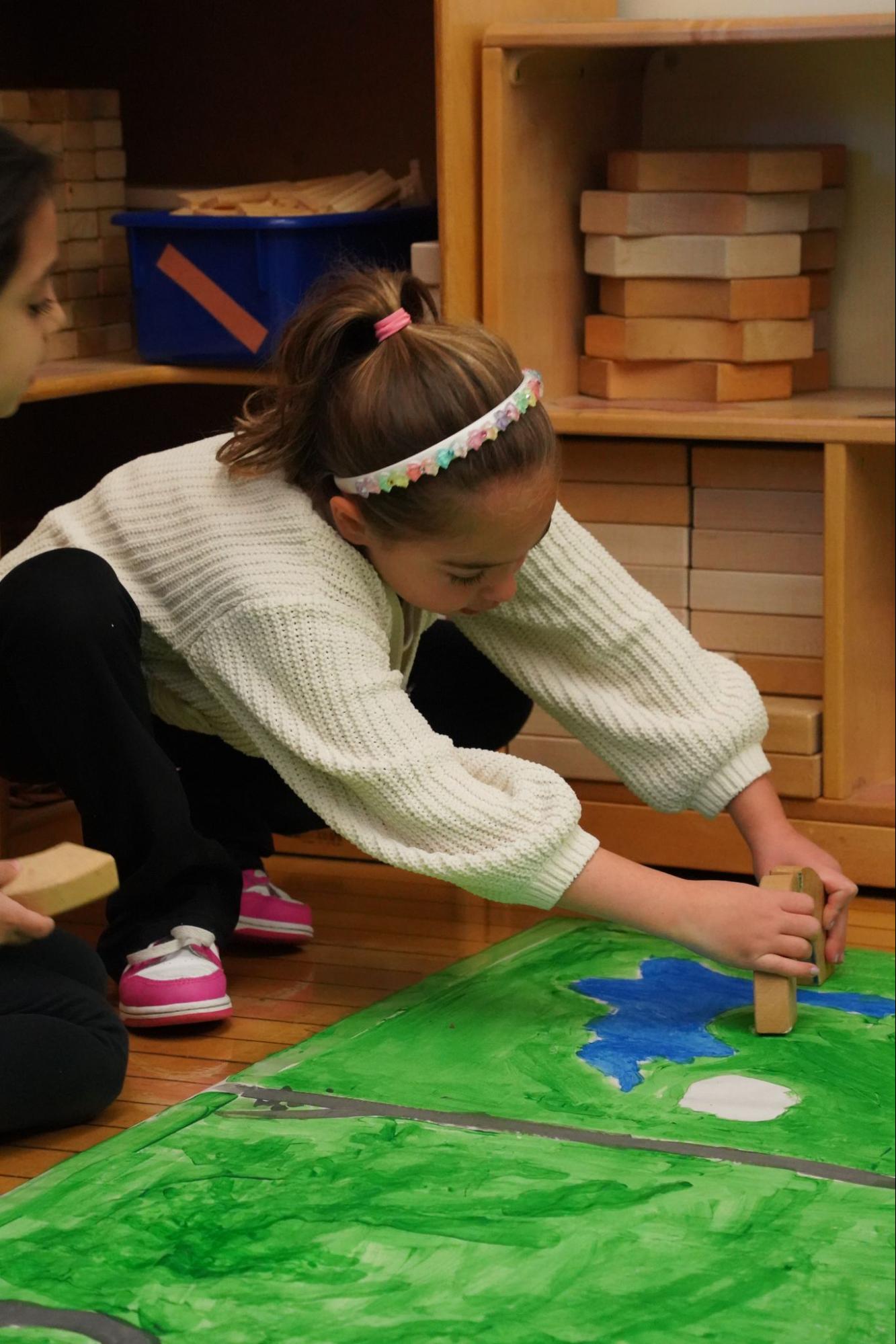
Ultimately, the project is about more than geography. “Our hope is that students gain a lasting appreciation for green spaces, especially Central Park, and understand its importance to New York City and our Ethical Culture community,” says Checkman. “By working together on the 3D model, students learn the power of collaboration. Each student brings different ideas and plays a different role.When they work together and combine ideas, they can create something meaningful together.”