Through humor, stories, and research, author Lenore Skenazy makes the case that independence is essential to raising confident and capable learners.
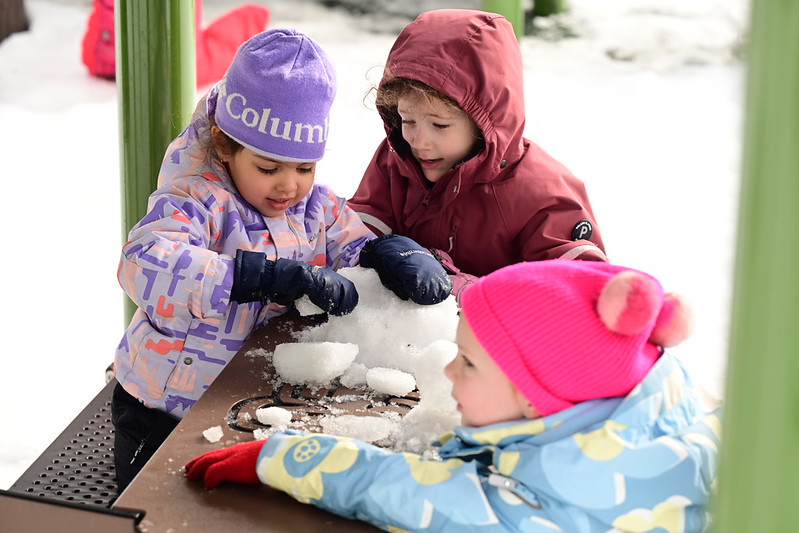
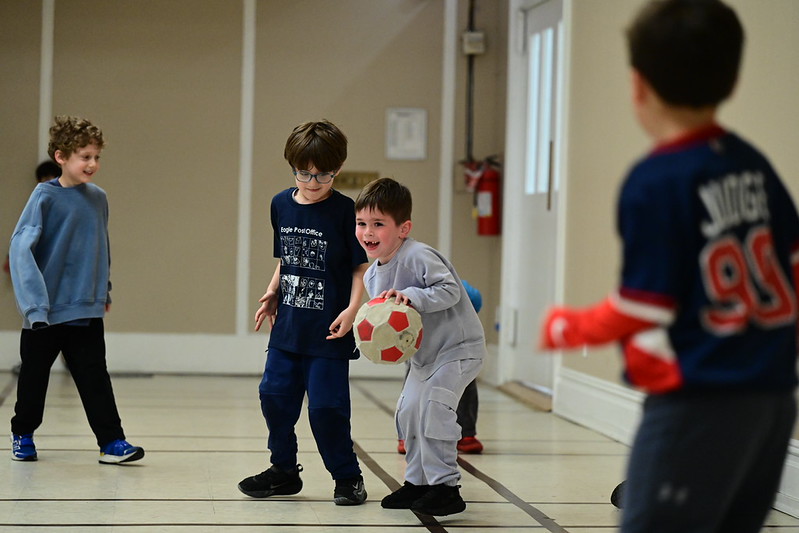
A playground can appear simple, but children are negotiating rules, inventing imaginary worlds, and deciding who goes first and what happens next. Play is where children learn to collaborate, solve problems, handle disagreements, and develop the resilience needed to navigate the world. Long before worksheets and tests measure a child’s progress, the skills that support academic success: communication, self-regulation, and persistence, are often first practiced in the utterly spontaneous, definitely silly, yet extremely serious negotiations of play.
It was this connection between play and academic development that recently brought Ethical Culture and Fieldston Lower parents and guardians together to discuss the “Let Grow” approach to independent play. The morning’s speaker, renowned journalist and author Lenore Skenazy, is perhaps best known for challenging the culture of hyper-supervision in modern parenting. ‘
Skenazy became a leading advocate for childhood independence after a column she wrote about letting her young son ride the New York City subway alone sparked international debate. Through the nonprofit she co-founded, Let Grow, she works with schools and communities to help children reclaim the freedom to explore, problem-solve, and grow, without constant adult supervision.
Skenazy’s message was both thoughtful and disarming, helped in no small part by her humor. She kept the room laughing even as she reflected on serious topics. With quick wit and a storyteller’s ease, she acknowledged the tension that many families feel between wanting children to foster independence and feeling pressure to supervise and assess every moment.
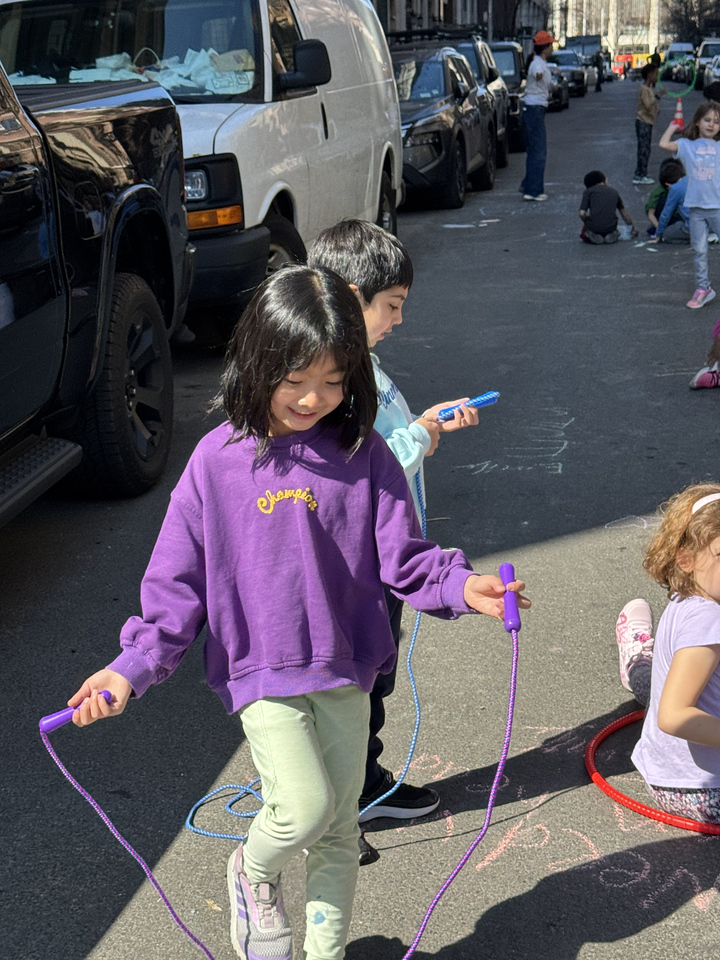
When Skenazy shared how her son felt after completing his solo subway trip, she described it as one of the proudest moments of his life up to that point. While she admitted she was nervous the entire time, she emphasized that the reward far outweighed the fear. Those moments, she suggested, are becoming increasingly rare in a culture of constant monitoring. Research supports what many parents instinctively know already: when given the choice, children overwhelmingly prefer unstructured, unsupervised play over both scheduled activities like ballet or soccer and even screen time. More often than not, children crave more opportunities to surprise us, impress us, and discover what they are capable of independently.
At one point, Skenazy asked attendees to turn to small groups and discuss something they had done freely as children that they would hesitate to allow their own children to do today, and why. The room was immediately filled with animated conversation. Parents and guardians recalled memories of running to neighborhood markets alone to pick up dinner ingredients, spending long afternoons outdoors without checking in, and roaming their blocks on scooters and bikes in the summer, not a shoe or a parent in sight. The stories and the realizations came quickly. What had once felt ordinary now seemed, to many parents, unthinkable.

This exercise underscored one of Skenazy’s core ideas. Childhood independence has quietly shrunk over the past generation, not because children are less capable, but because adults have become conditioned to be more fearful. In distinguishing independence from recklessness, Skenazy clarified that the goal is not to eliminate boundaries, but to allow children to navigate manageable risks and experience unsupervised play. These moments, she argued, are essential for building judgment, confidence, and the intuitive “gut feeling” that helps children recognize when something is wrong.
The conversation resonated strongly with the principles that have long guided ECFS’s educational approach. Progressive schools have always recognized that learning does not happen only at a desk. It unfolds in collaboration, in experimentation, and in the freedom to explore ideas and relationships.
Unstructured play, in that sense, is one of the foundations of learning. When children create games, resolve disputes, and go on their own small adventures, they practice the very skills that support their intellectual growth.
So how do families put this into practice in a culture that often equates constant supervision with safety? Skenazy offered practical ways to begin, such as building connections with neighbors and creating a shared understanding. This communication may allow children to move between homes freely on certain days and at certain times. Parents may also identify spaces, like a local park, where children can gather and play on their own, ideally with a mix of ages that encourages mentorship and independence.
Giving children the space to play, explore, and grow independently doesn’t require returning to another era. It can begin with a simple shift in mindset. “Back in my day” can become “Let’s try something new.”