The ECFS approach leads to unique, collaborative experiential learning that extends to faculty across divisions. Fieldston Lower Math and Science Teacher Debbie Veetal and Ethical Culture Science Teacher Jennifer Erdman recently brought that philosophy to life through a shared 5th Grade unit on light energy, working together to design a lesson that will benefit their students when they come together at Fieldston Middle.
This work began over the summer when Erdman and Veetal received a grant to create the unit together. They met multiple times to thoughtfully plan and align the unit to teach 5th Graders at both elementary schools, saying, “Together, we mapped out daily objectives, hands-on experiments, materials, and assessments to ensure consistency.” Erdman and Veetal also discussed pacing and anticipated where students might struggle. As they describe it, the goal was to “refine the final design challenge to make it both engaging and meaningful.”
The result was a hands-on project that ensured that every class discovered the same core scientific principles,while also bringing the science to life. Students were tasked with designing and building a box that harnesses light energy to “cook” or warm items like cheese or chocolate. Using what they learned about different materials and light sources, students selected materials strategically to maximize heat retention in their designs.
Students then tested their boxes over time, recording temperature changes and observing how the food responded at different intervals. As the experiment progressed, patterns began to emerge. Many students recognized that reflective materials, such as tinfoil, helped direct heat, while insulating materials, such as foam, helped trap heat. Through repeated testing and observation, students were able to see how their design choices significantly affected the results.
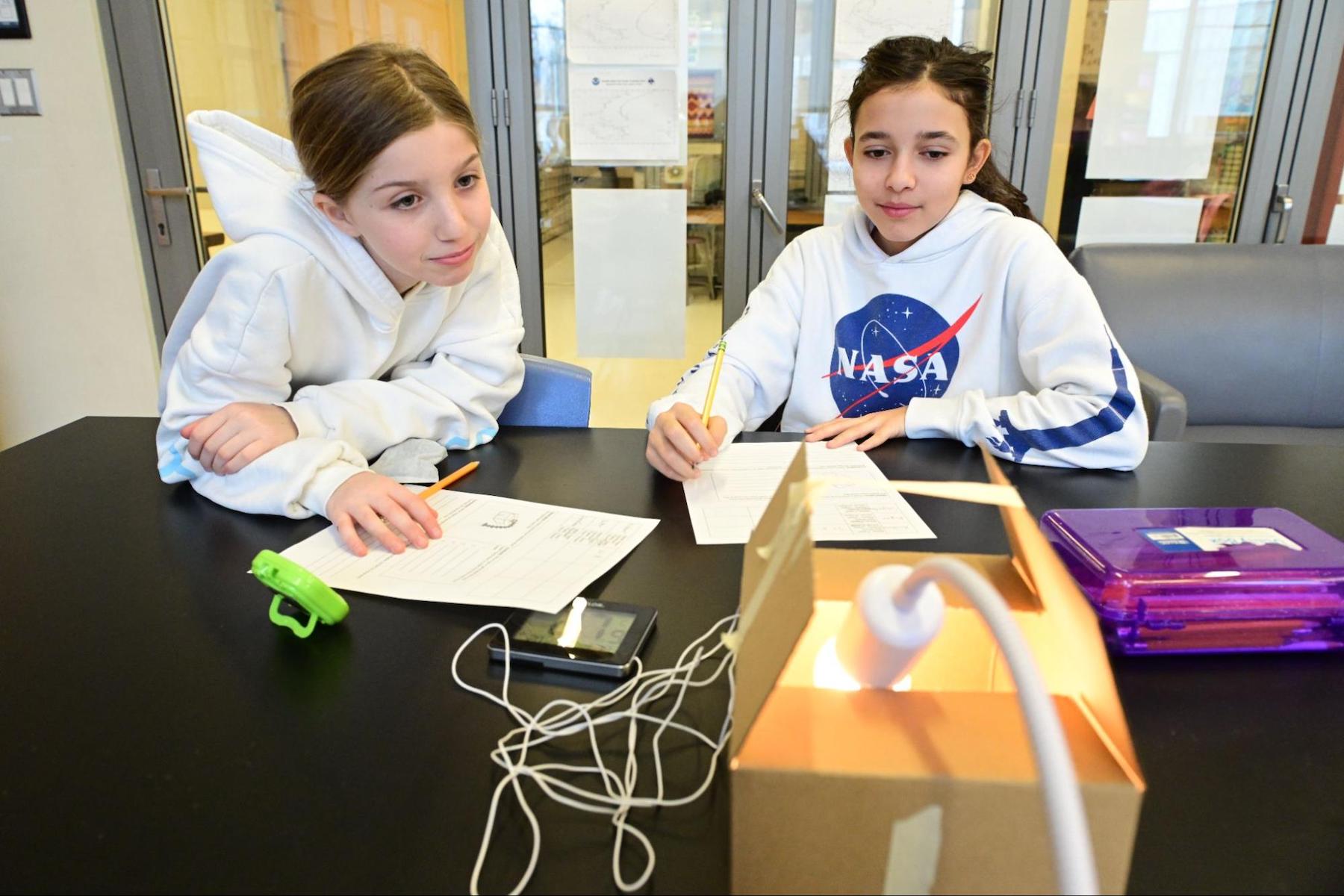
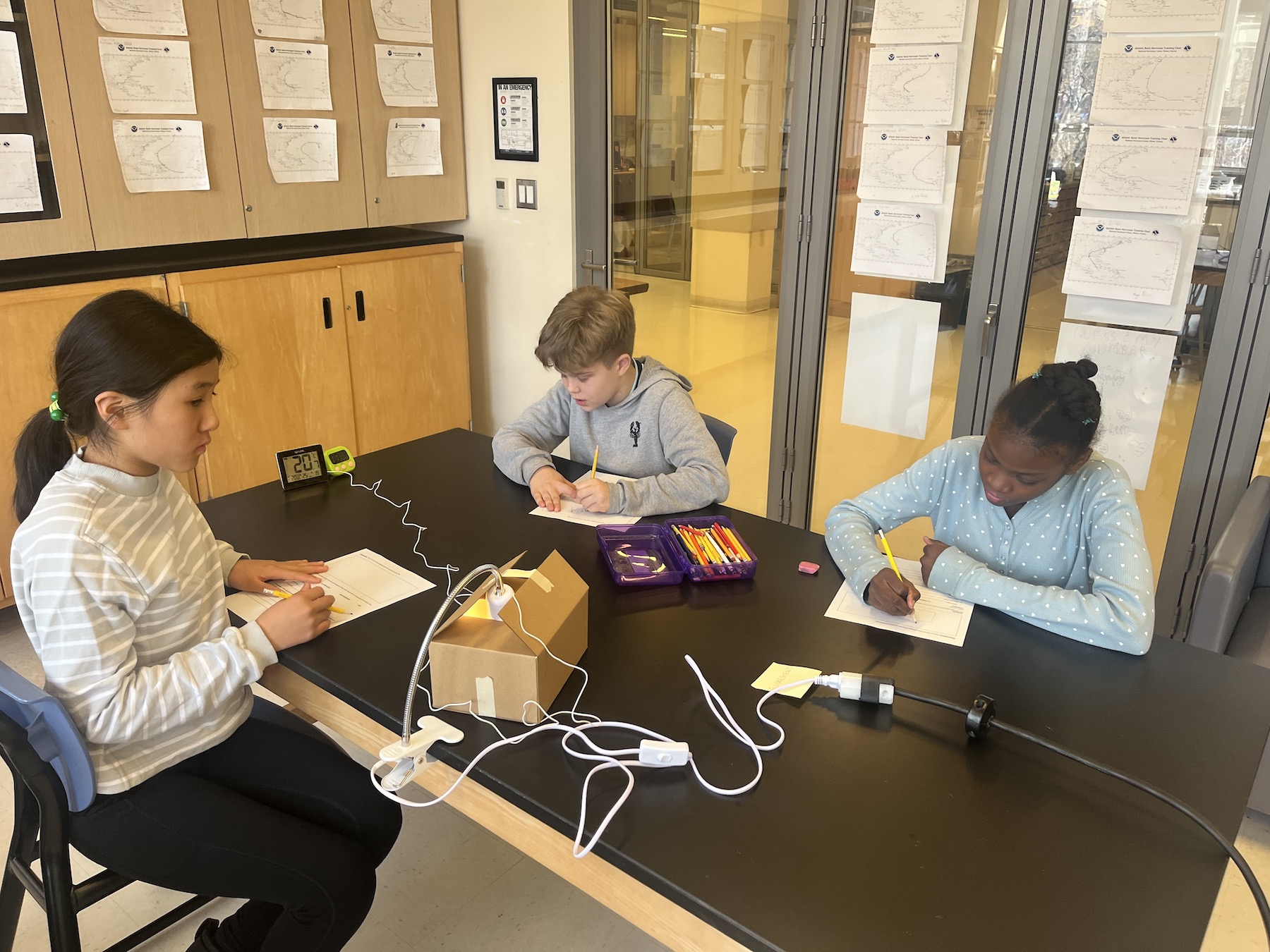
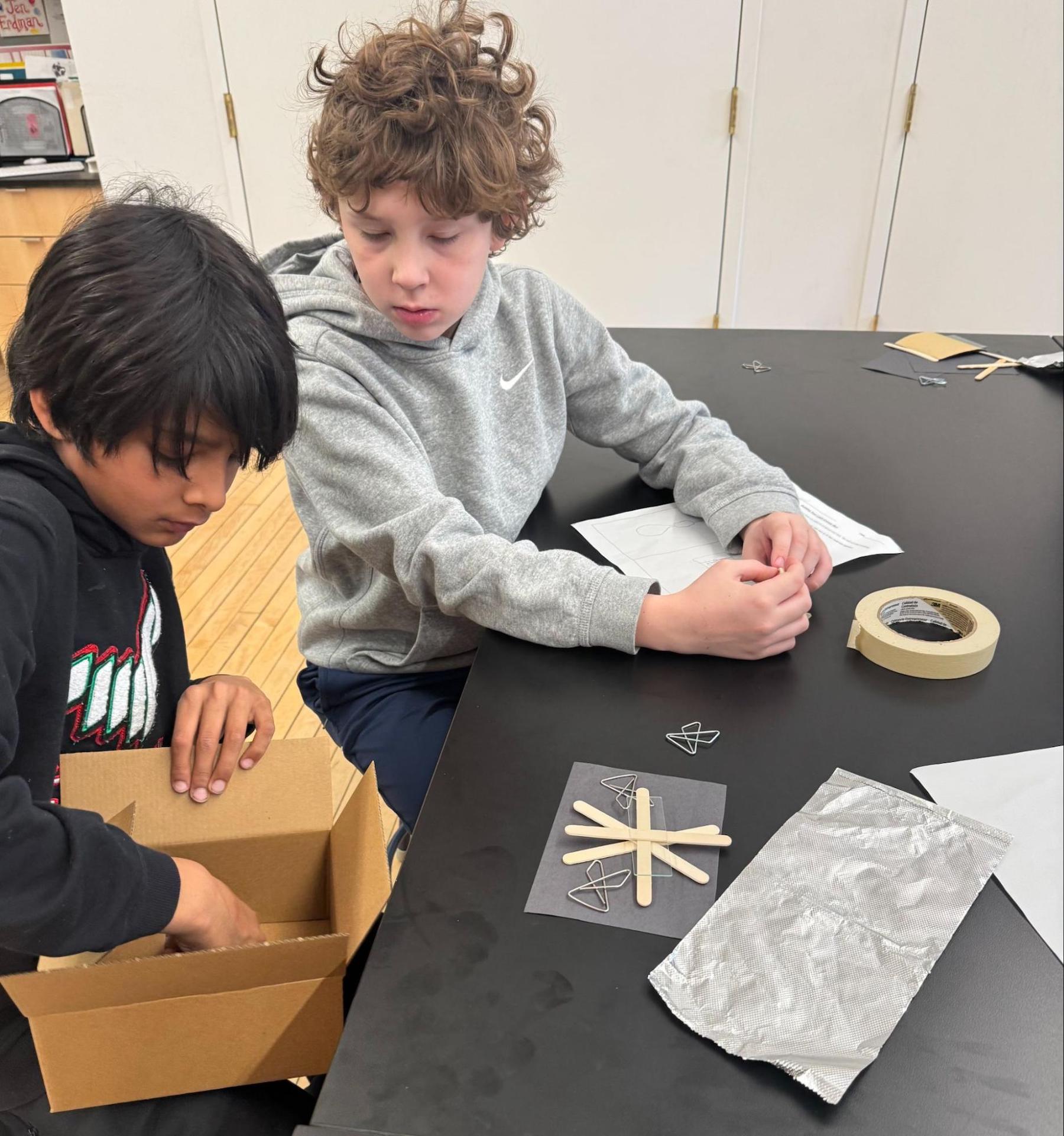
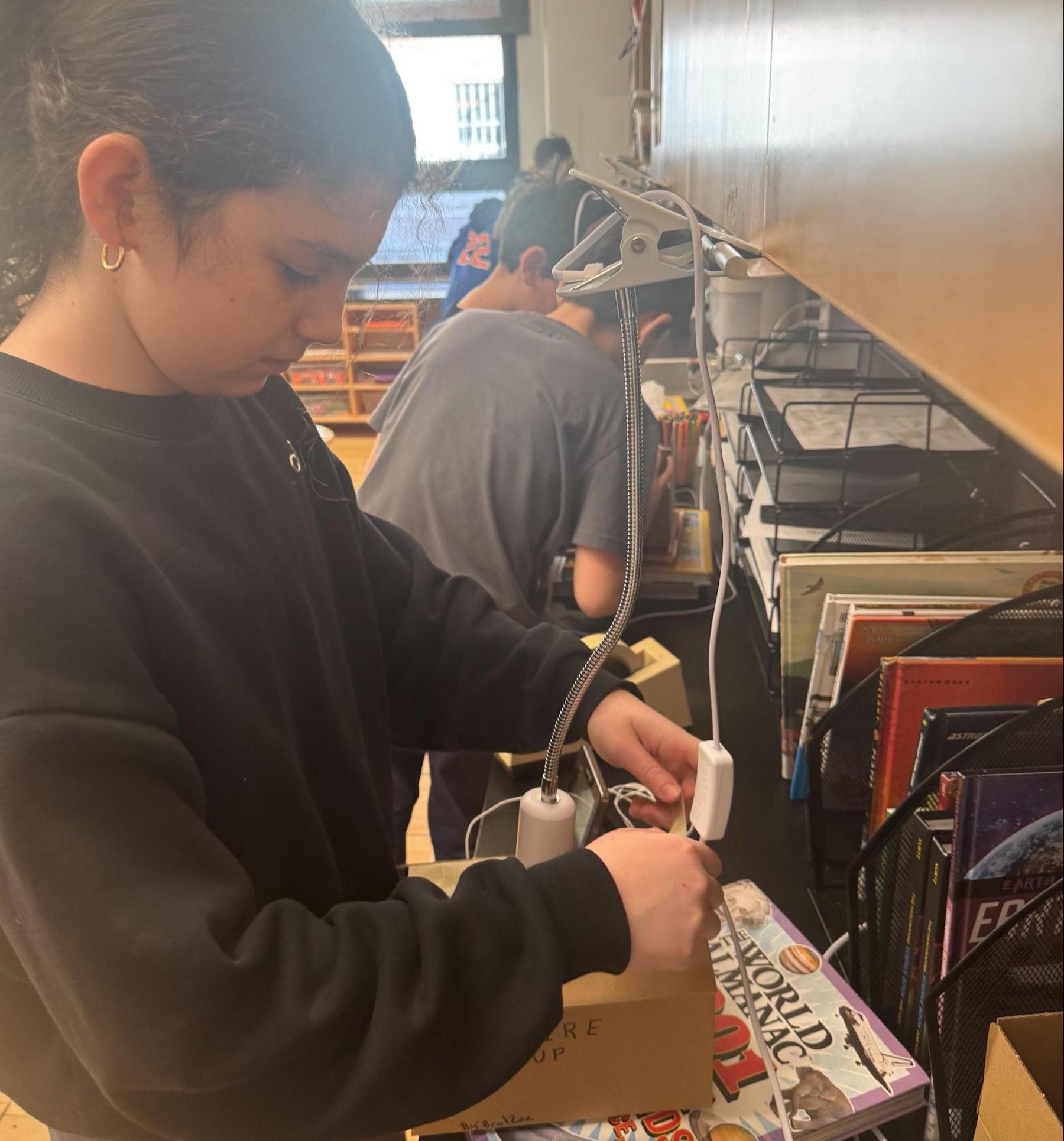
For Erdman and Veetal, studying light energy is an excellent way to engage in hands-on learning, as students can directly observe and measure how light produces heat. “Students test different light bulbs and materials, record temperatures over time, and draw conclusions based on real data,” the teachers explain. “They write hypotheses, conduct timed trials, and physically interact with materials to see how they are affected by heat produced by the light. This allows abstract science concepts like energy transfer and heat absorption to become concrete and measurable.”
This collaboration between the two teachers grew out of a broader effort to strengthen alignment across divisions. During a School-wide professional development day, science faculty realized that incoming 6th Graders would benefit from more hands-on experience working with scientific materials.
“In response, we collaborated to intentionally design a 5th Grade unit that would strengthen those foundational skills.” Erdman and Veetal share. “By planning together across both Fieldston Lower and Ethical Culture, we ensured that all students would build consistent experience with hypothesis writing, data collection, material testing, and scientific analysis.” This shared approach helps close gaps before students transition to middle school and promotes continuity in science instruction across divisions.
An ECFS education values interdependence, and this pledge to live in community recognizes each member’s responsibility to the whole. This commitment extends to preparing students in separate classrooms for their shared future. This 5th Grade science initiative is just one example of how ECFS teachers collaborate across divisions, acknowledging that a thoughtful process ultimately improves the product and strengthens both teaching and learning.