Three chairs waited on the stage as Fieldston Middle students filed into the auditorium. It was a setup they were not used to seeing, but today’s Town Hall was a special occasion. English Department Chair Sharan Gill and Librarian Katie Elwood soon appeared onstage alongside guest speaker Abby White, author of the Sydney Taylor Award-winning YA novel D.J. Rosenblum Becomes the G.O.A.T.
White’s connection to Fieldston dates back to her own high school days. As a student in Shaker Heights, Ohio, she filled class journals with introspective prose that caught the attention of her teacher, Halle Amore Bauer. Now a Fieldston Upper History Teacher, Amore always recalled White’s distinctive voice that now shapes her debut novel, a coming-of-age story about a teen navigating grief after her cousin’s death while forming new friendships and preparing for her bat mitzvah.
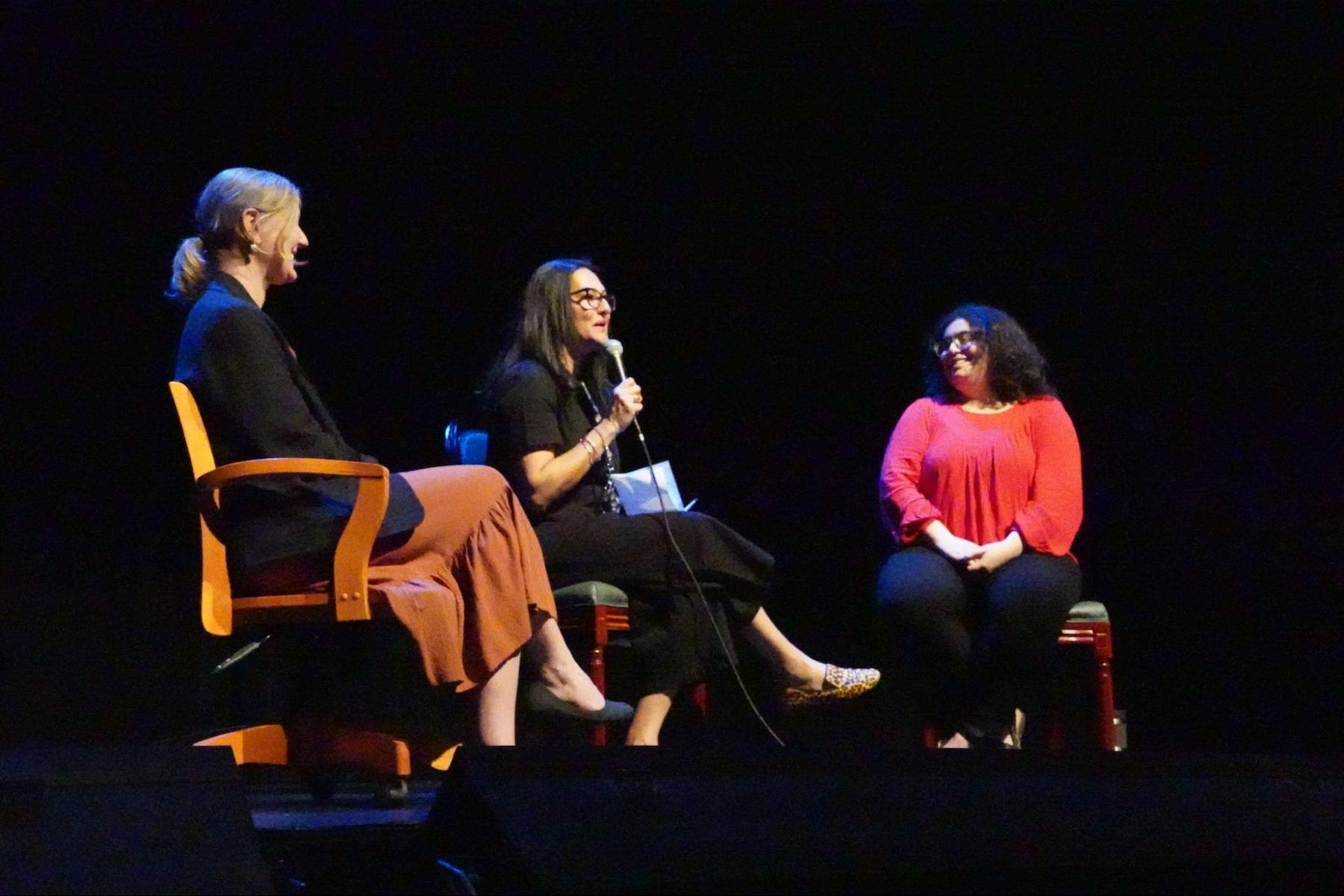
At Town Hall, White spoke about her writing process and the inspiration behind her book. Alongside real-life circumstances, her appreciation for the minds of young readers continues to fuel her work.
“Adolescence is such a difficult time in a young person’s life,” White said. “But adolescents are amazing. They’re loyal, creative, driven, imaginative, and caring in ways I think adults can really learn from. Part of why I write middle grade and young adult fiction is because I genuinely enjoy spending time with that age group. They inspire me. I consider adolescence a time of unlimited potential. It’s really fun to imagine what extraordinary things smart, empowered teens can do if given the chance.”
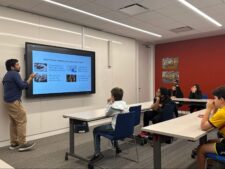
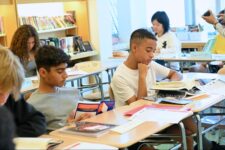
Later that day, White led writing workshops for Fieldston Middle students, guiding them in building the “bones” of a story and showing how these early choices shape a larger narrative. Through a “Choose Your Own Adventure”-style exercise, students made decisions such as whether to focus on a core idea or a character, or choose mystery versus fantasy. These choices sparked lively discussions about common storytelling themes.
“We talk with students about how, sometimes, narrowing down your choices can actually invite more creativity and freedom, because you’re not paralyzed by endless possibilities,” Gill said. “The workshops demonstrated this well because the 6th Grade story ended up completely different from the 7th and 8th Grade story, even though they all started with the same prompts.”
One group of 7th Graders chose to center their story on a core idea: bravery. When White asked them to expand on it, one student reflected, “Bravery comes with redemption. You have to be brave to admit you’re wrong.”
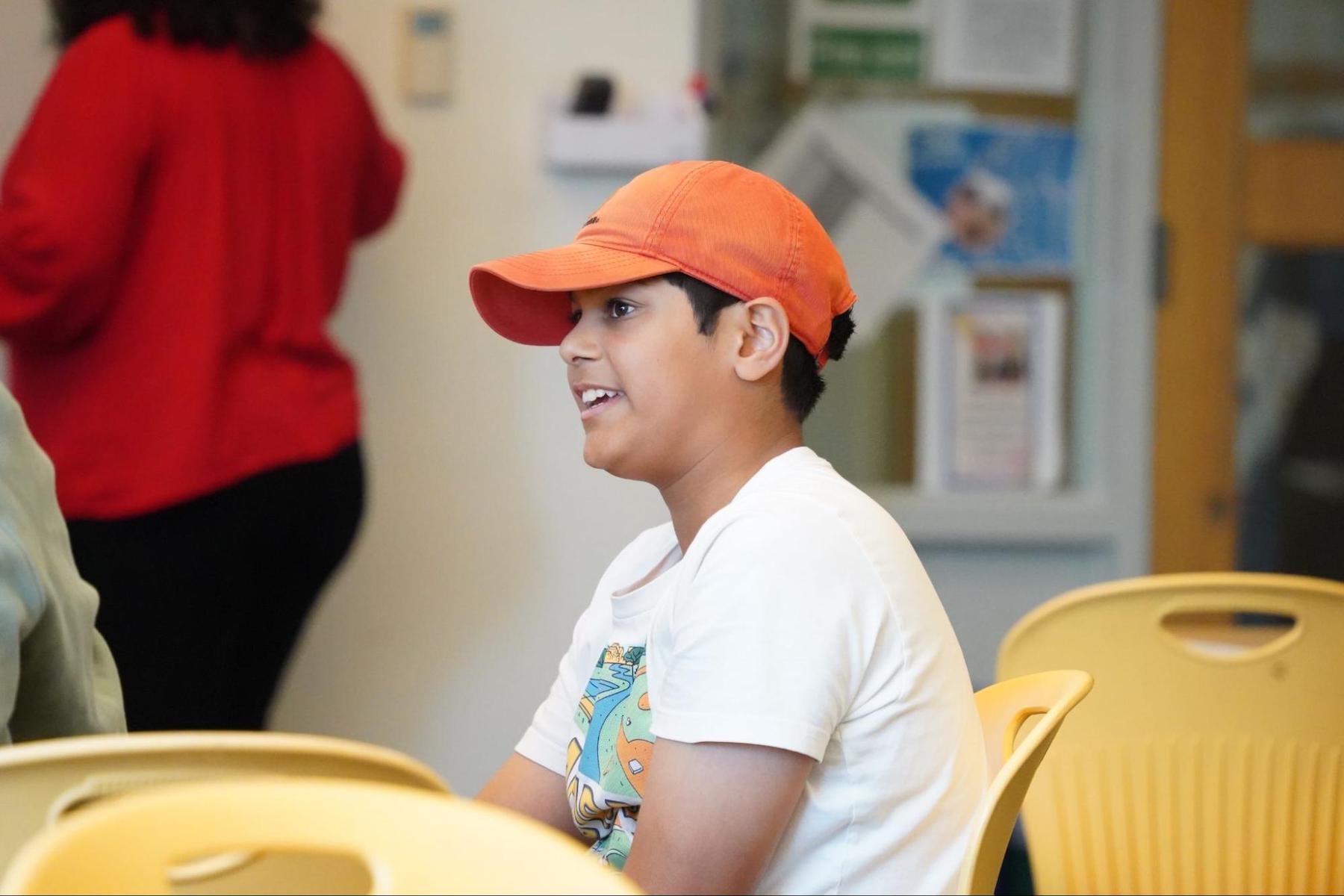
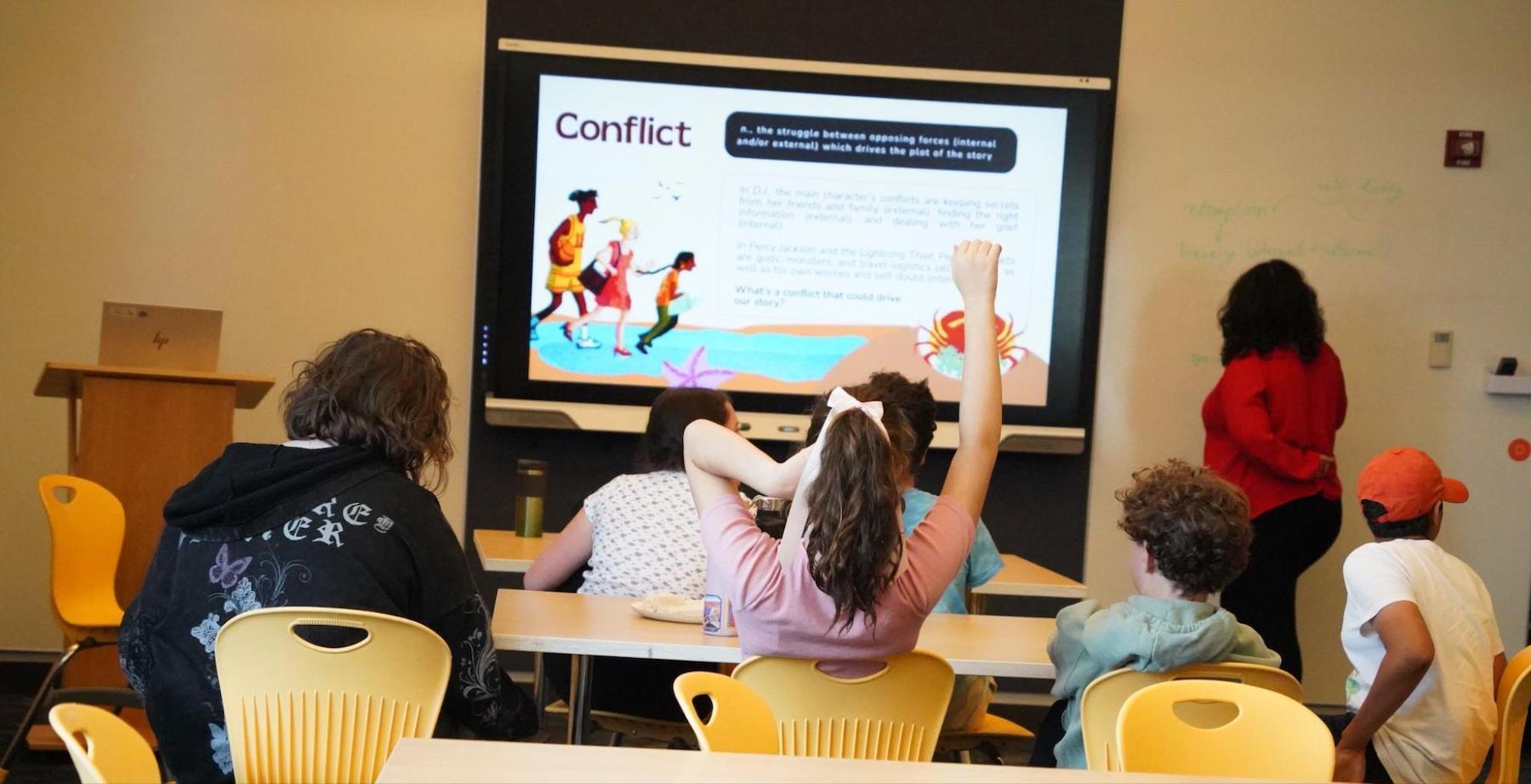
As the conversation expanded to internal and external conflicts and the connection of themes, students’ decision-making led to a breakthrough that all of their voices mattered, regardless of their past writing experiences. A 7th Grader, who had started creative writing over Spring Recess, shared, “I find writing so fun.” One had written extensively after taking an online class during the COVID-19 pandemic, while another came to the workshop to learn more about what makes a good book. Together, they began to recognize that their voices were valued and they could contribute to a greater picture.
“Not all middle school students in a writing workshop will grow up to become professional writers,” White added. “But learning how to write well helps students solve problems, construct sound arguments, analyze information sources, process difficult experiences, and empathize with people unlike themselves. These skills are critical in every profession. They are especially important as middle school students navigate the social, mental, and emotional challenges which are so prevalent at their age.”
“It is important to be able to think outside of the box,” Gill said. “You have to be able to solve problems in different ways, and one way to train your brain to be this flexible is to through creative writing.”
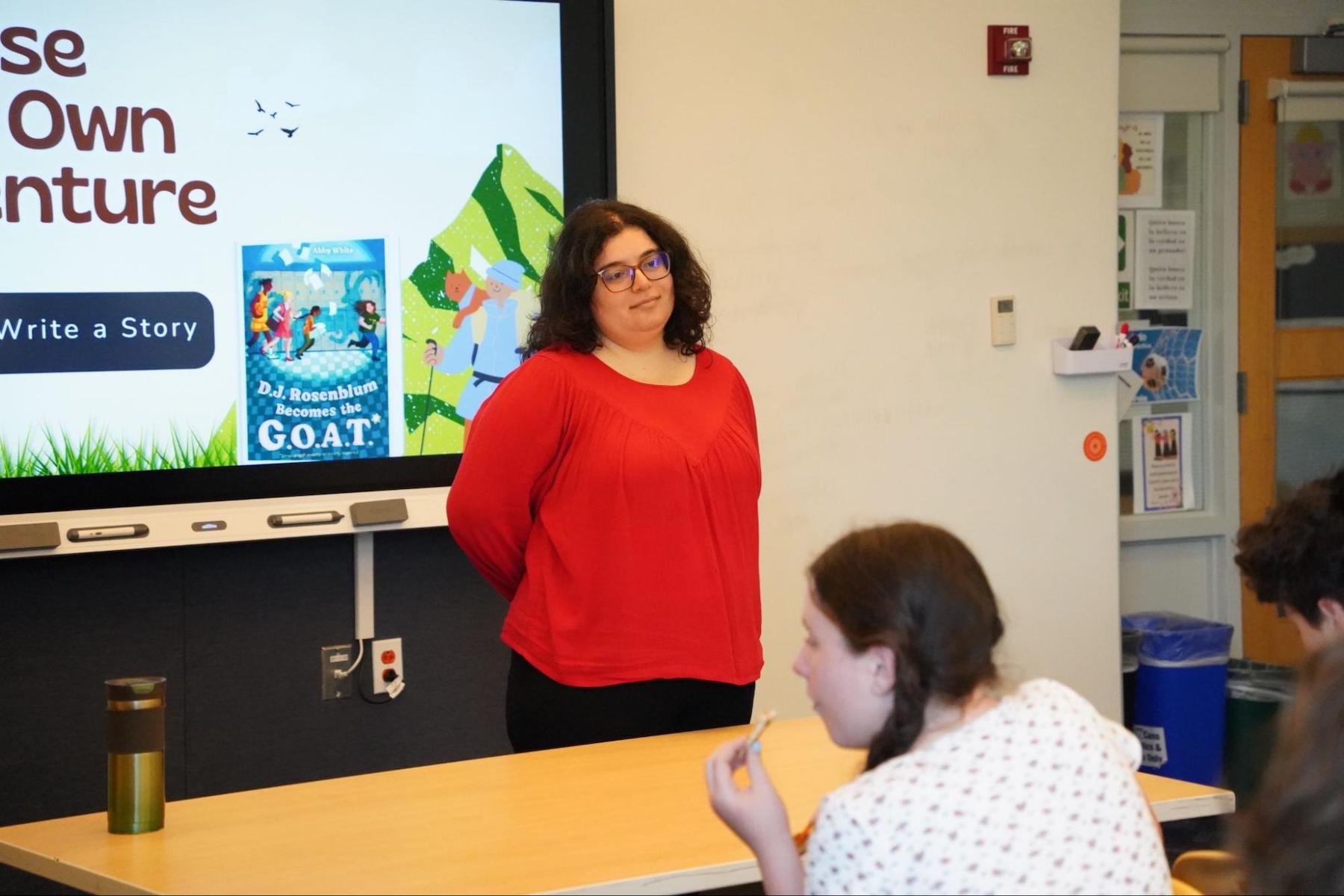
By the midpoint of the workshop, students’ imaginations had taken off as they pitched increasingly intricate ideas. “They were delights!” White said. “All of them were bright and attentive, eager to help shape the story. I was most struck by how well they followed directions. By the end, they were thrilled with the story they had created together, which I loved to see.”
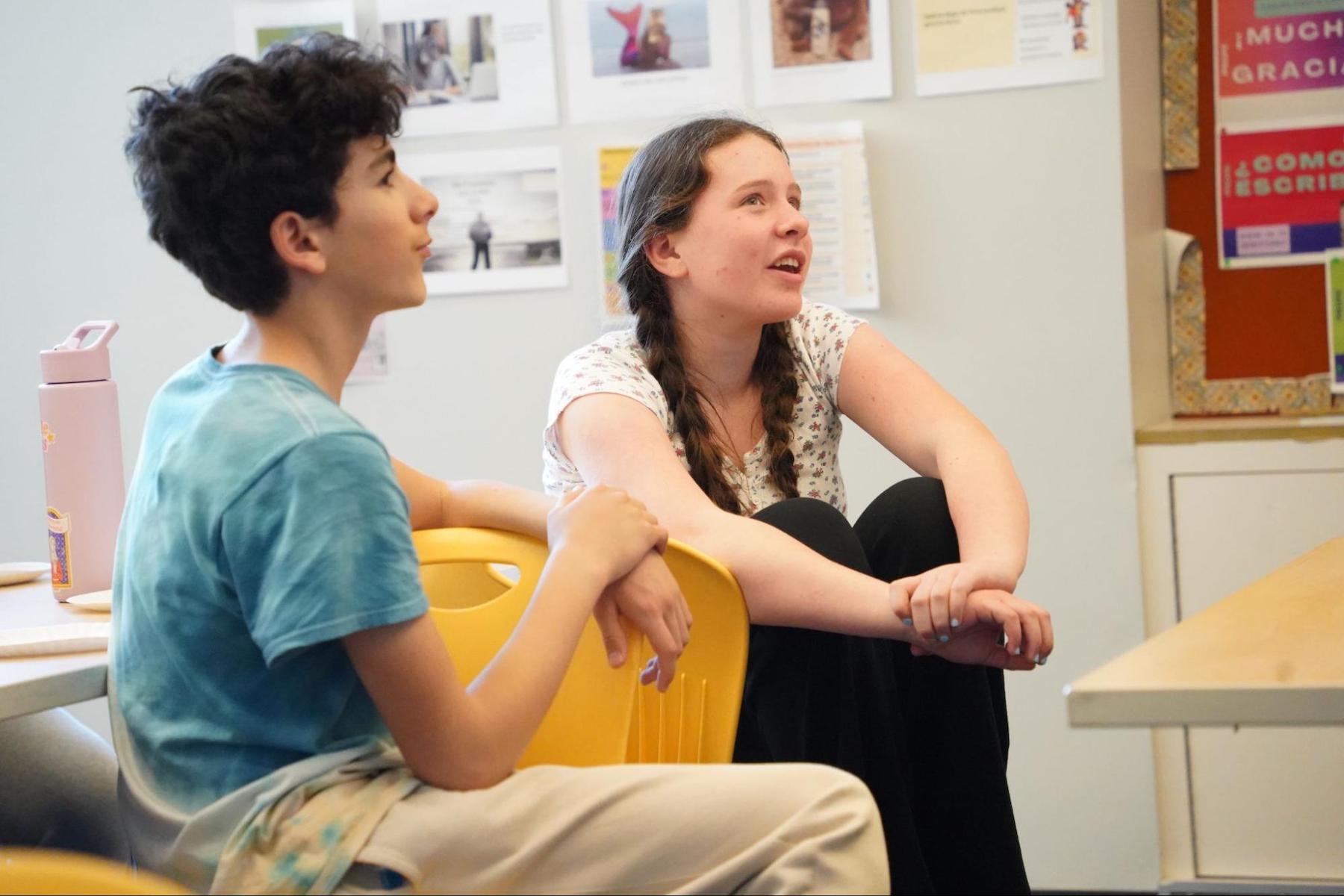
“I hope this would encourage students to appreciate authorship and writing, and realize that there are all kinds of stories,” Elwood said, “even some that they didn’t realize existed.”
As the discussion wound down, one 7th Grader turned to a friend who had written a book before and suggested their work was finished. White offered a gentle correction and a lasting reminder: “There’s not only one story you’re going to write in your life.”